PERSONAL... BUT VERY GENERIC, TOO, 2025
Framed pigment prints. Dimension variable.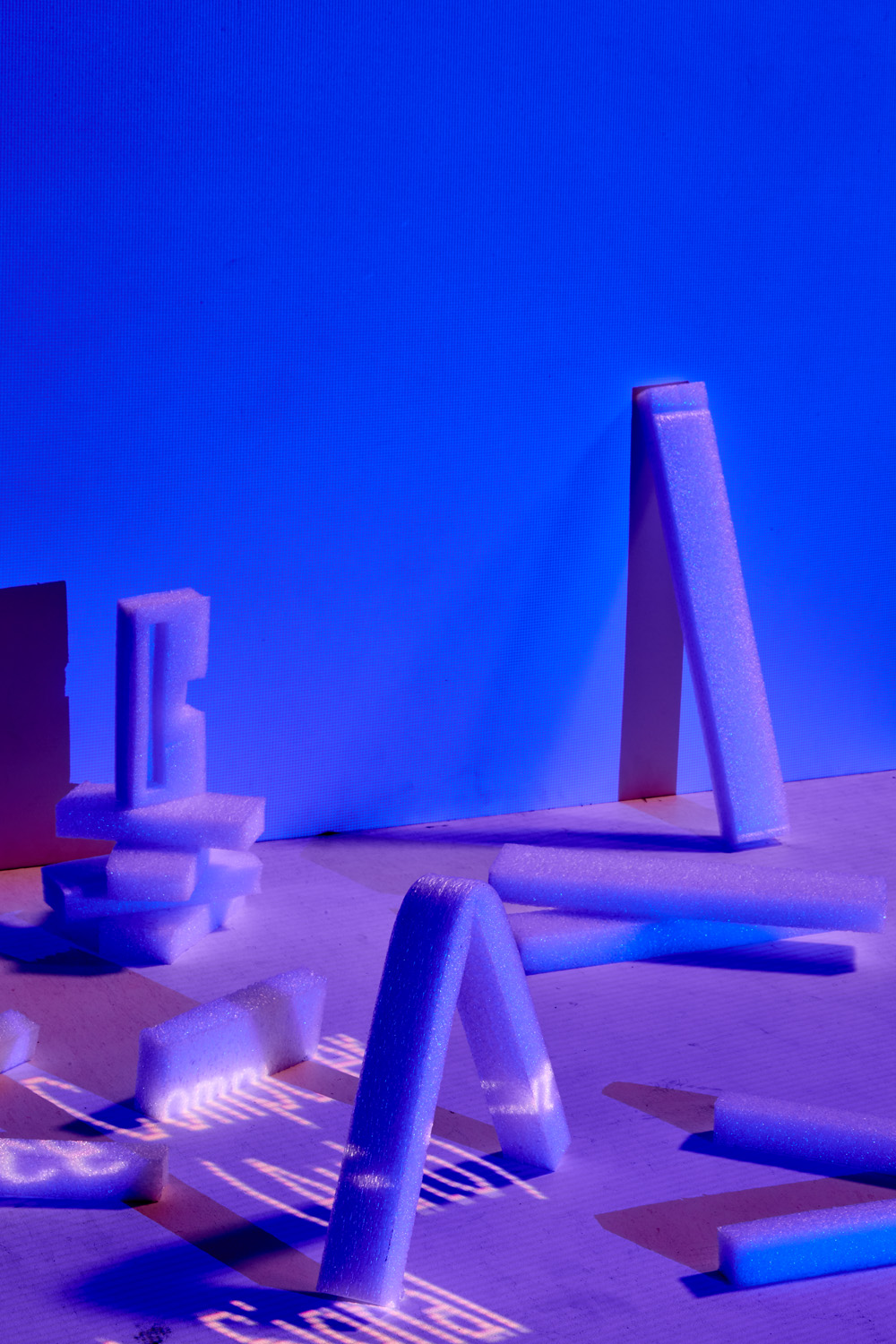
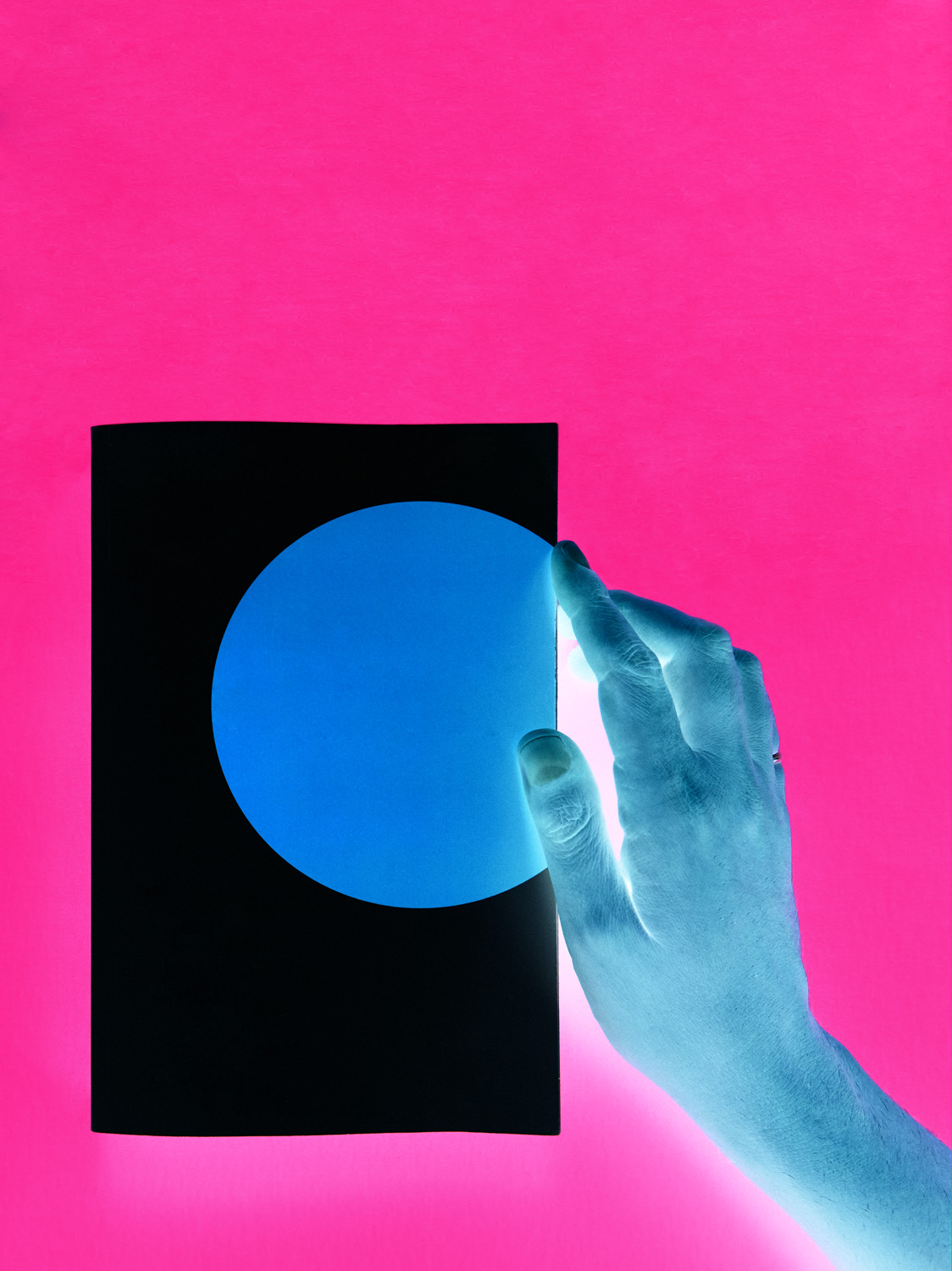



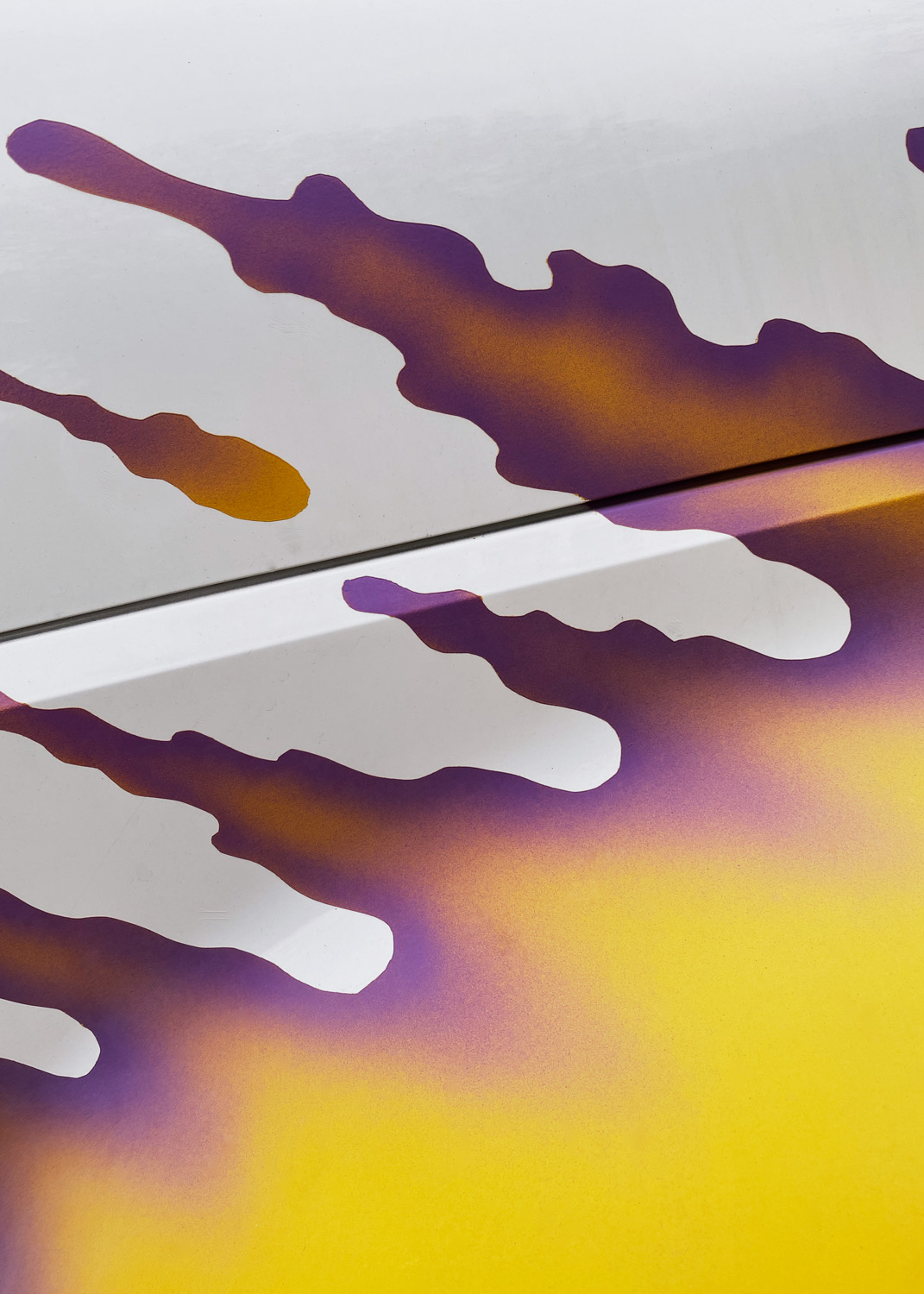


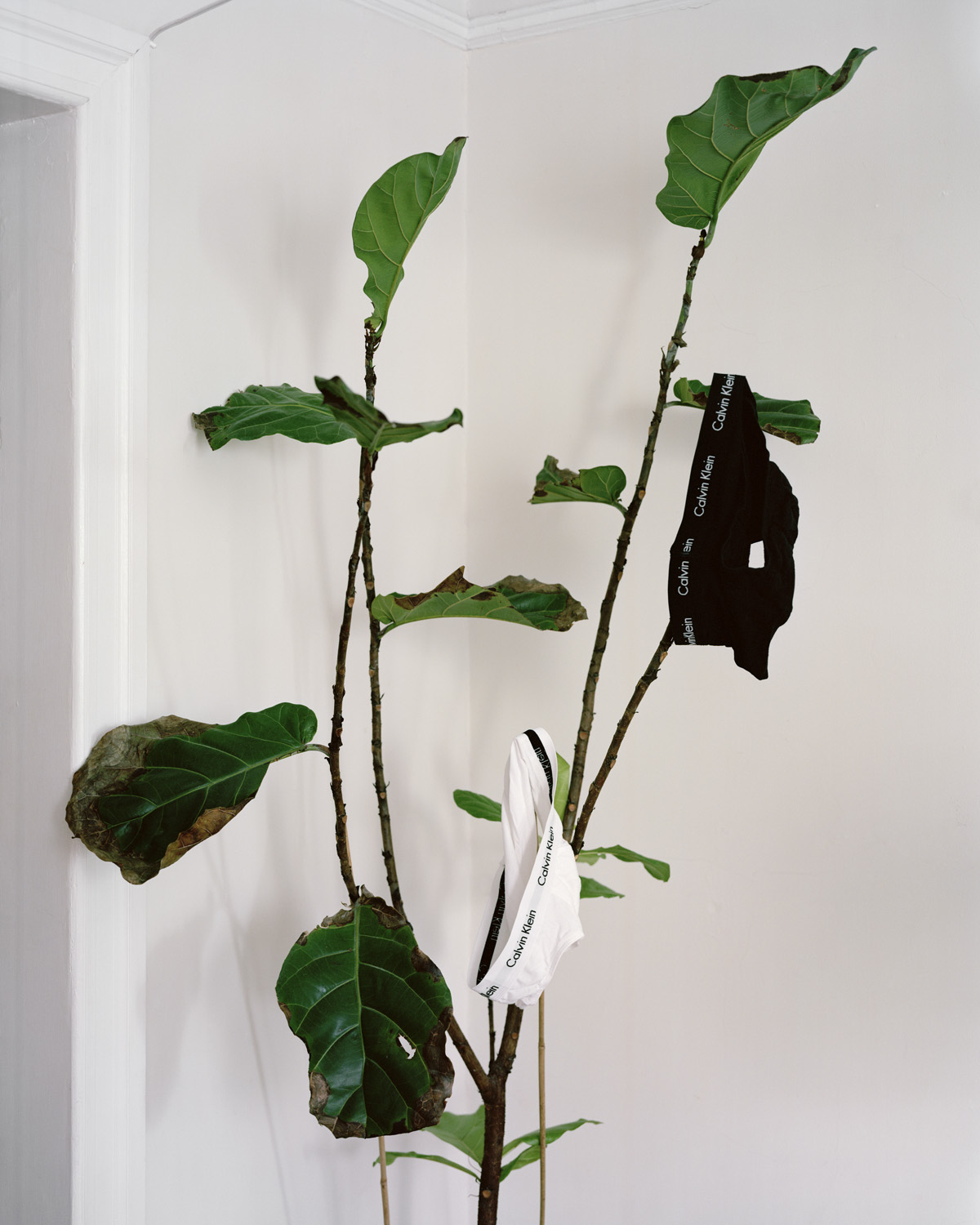

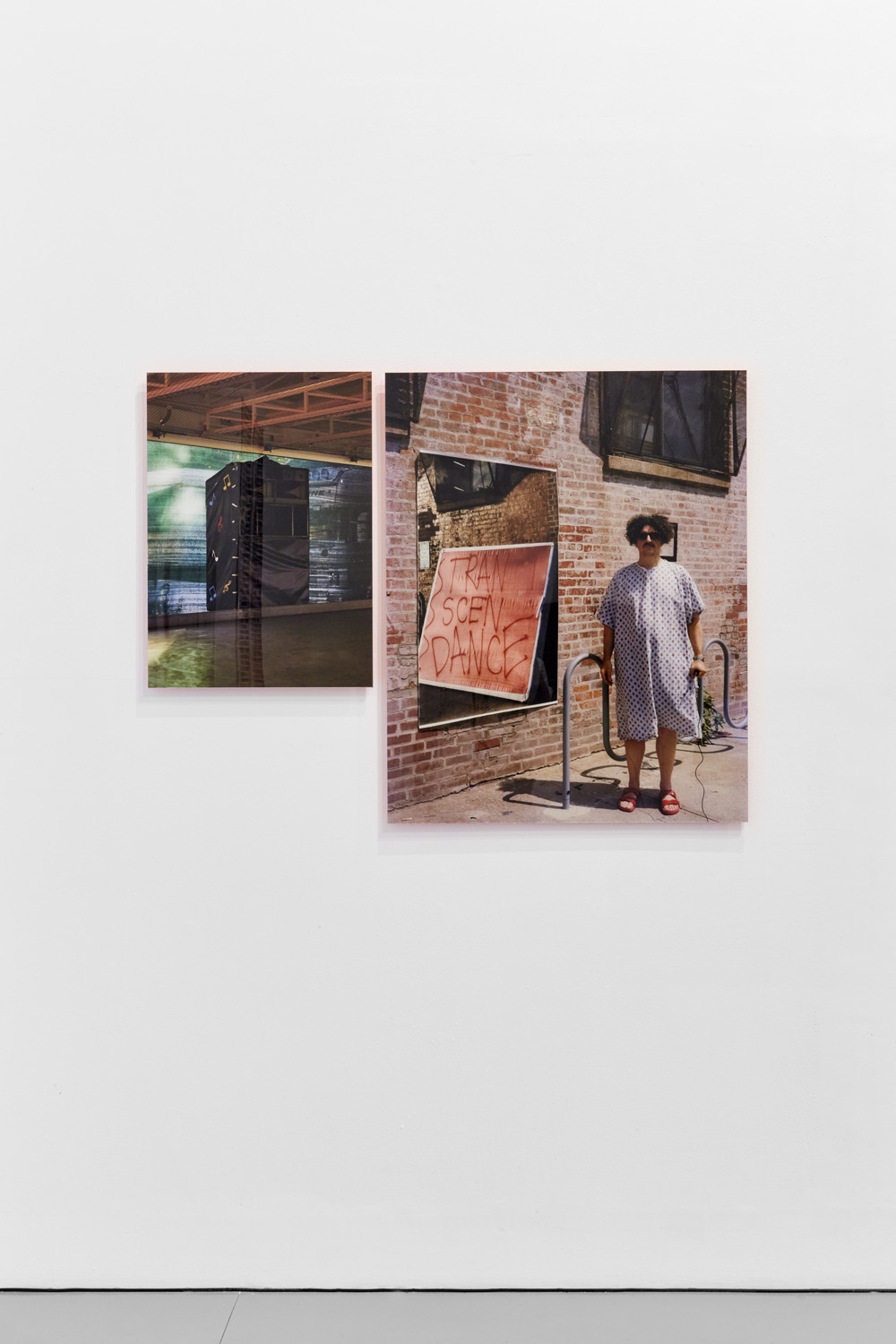
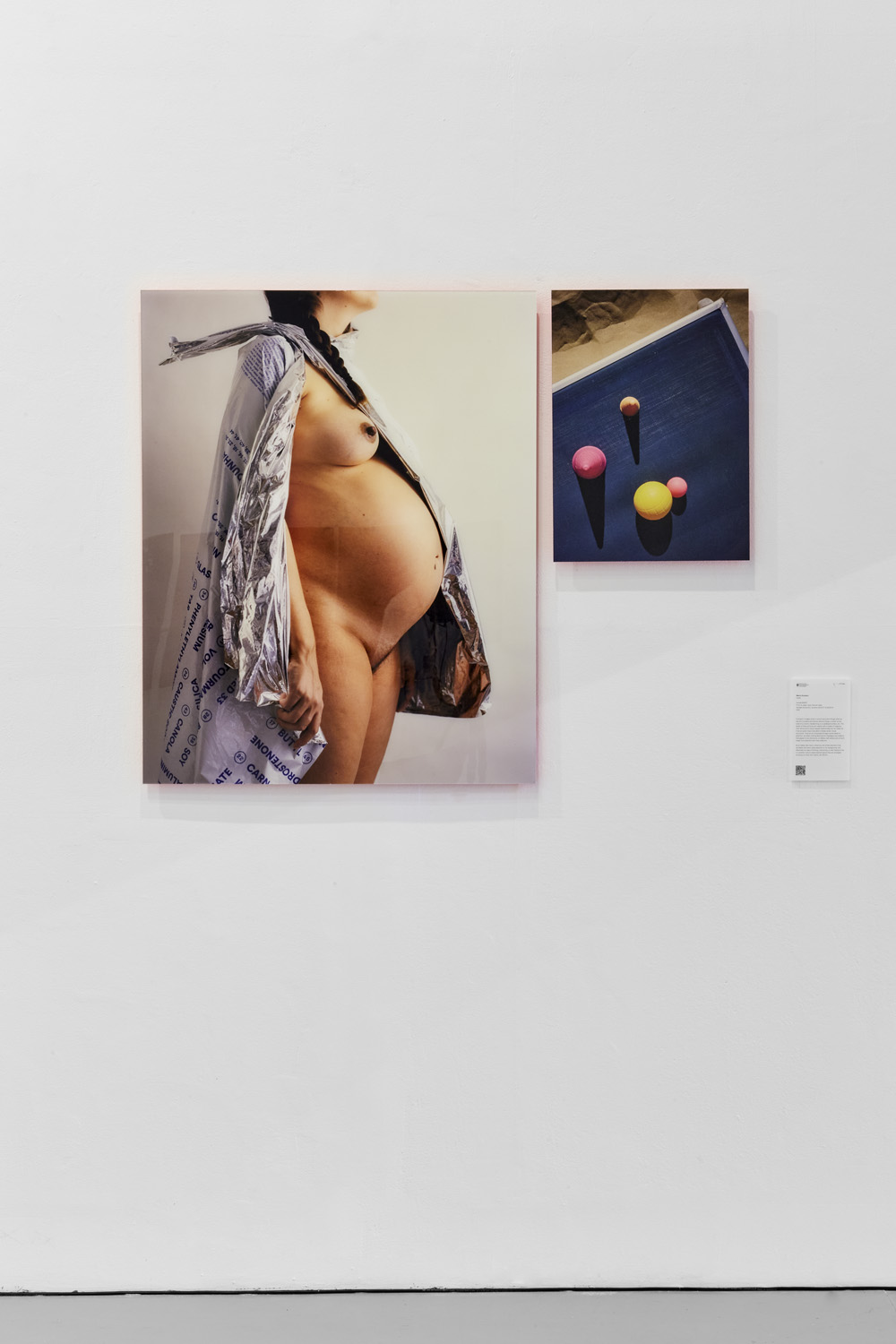
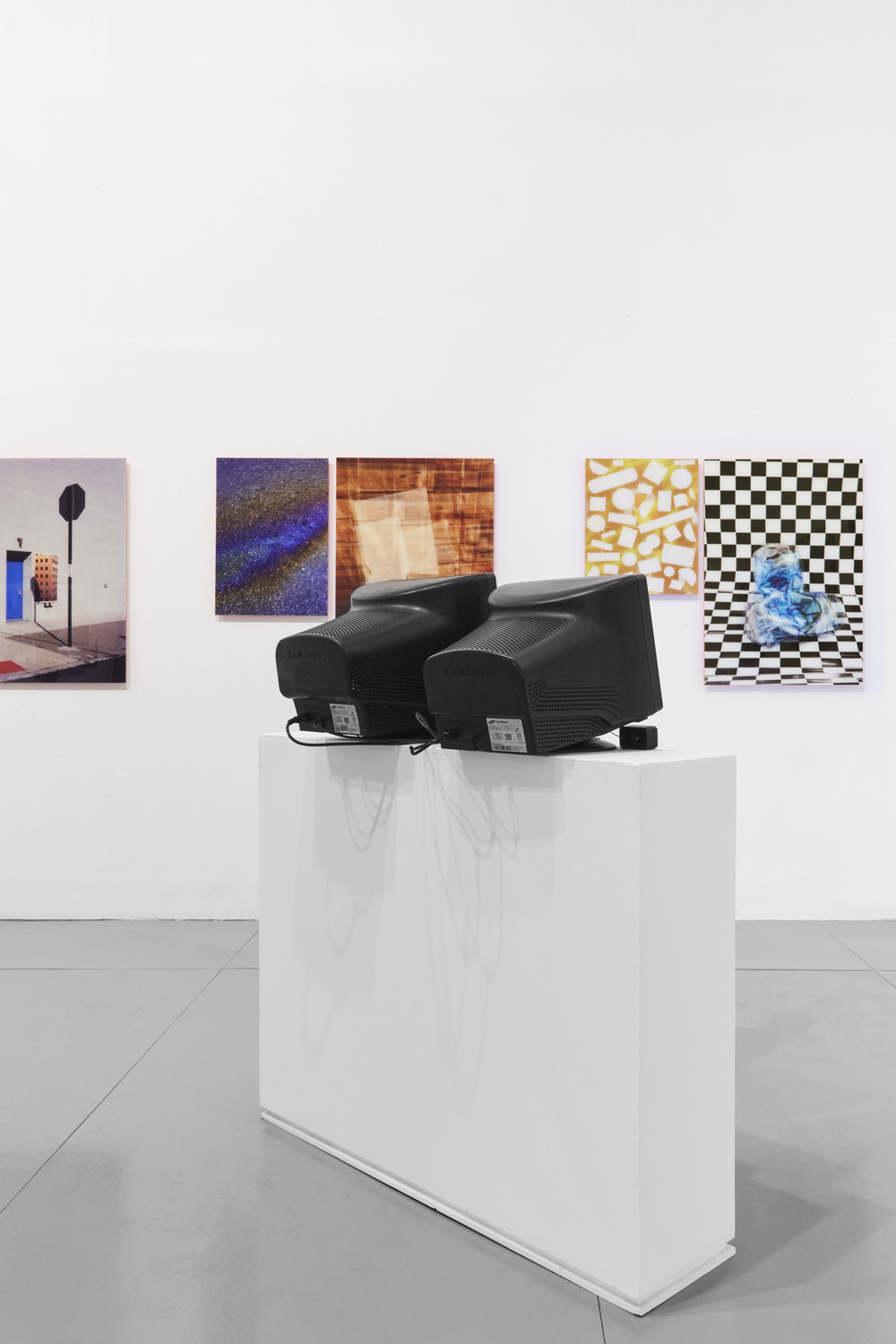
Personal... But Very Generic, Too explores time, relationships, and the complexities of dual cultural identity. The project unfolds through a structured yet humorous investigation of vernacular and everyday visual culture, revealing tensions, overlaps, and contradictions between Italian and American ethos and sensibilities.
This subjective collection of photographs resists linearity and fixed categories. Blurring photographic genres and practices, the images are both straightforward and ambiguous, suggesting allegories and deeper meanings beneath the surface.
Set against a backdrop of media overload, consumer culture, institutional decline, and social flatness, the images form loose constellations of signs, inviting free associations and open-ended interpretation. Through dynamic framing, saturated color, tight cropping, and layered textures, these visual fragments evoke broader concerns with perception, subculture, dissent, structure, family, health, and transcendence.
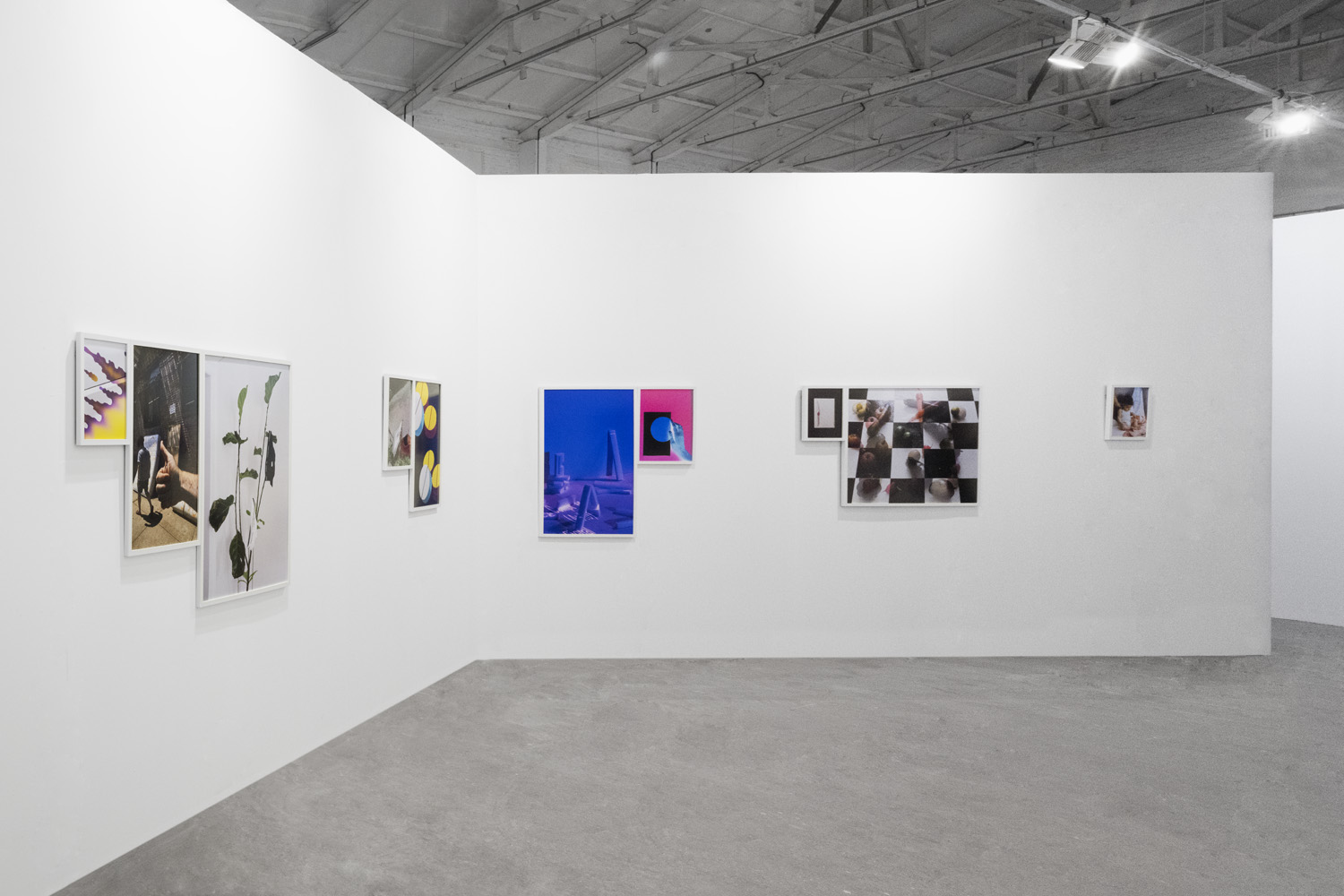
Installation view from the exhibition The Photographic Unsaid at the Pingyao International Photography Festival, China. Curated by James Ramer.
transcenDANCE, 2025
Pigment prints on paper, mounted on acrylic. Dimensions variable.CRT monitors, two-channel HD video, color, sound, continuous loop.





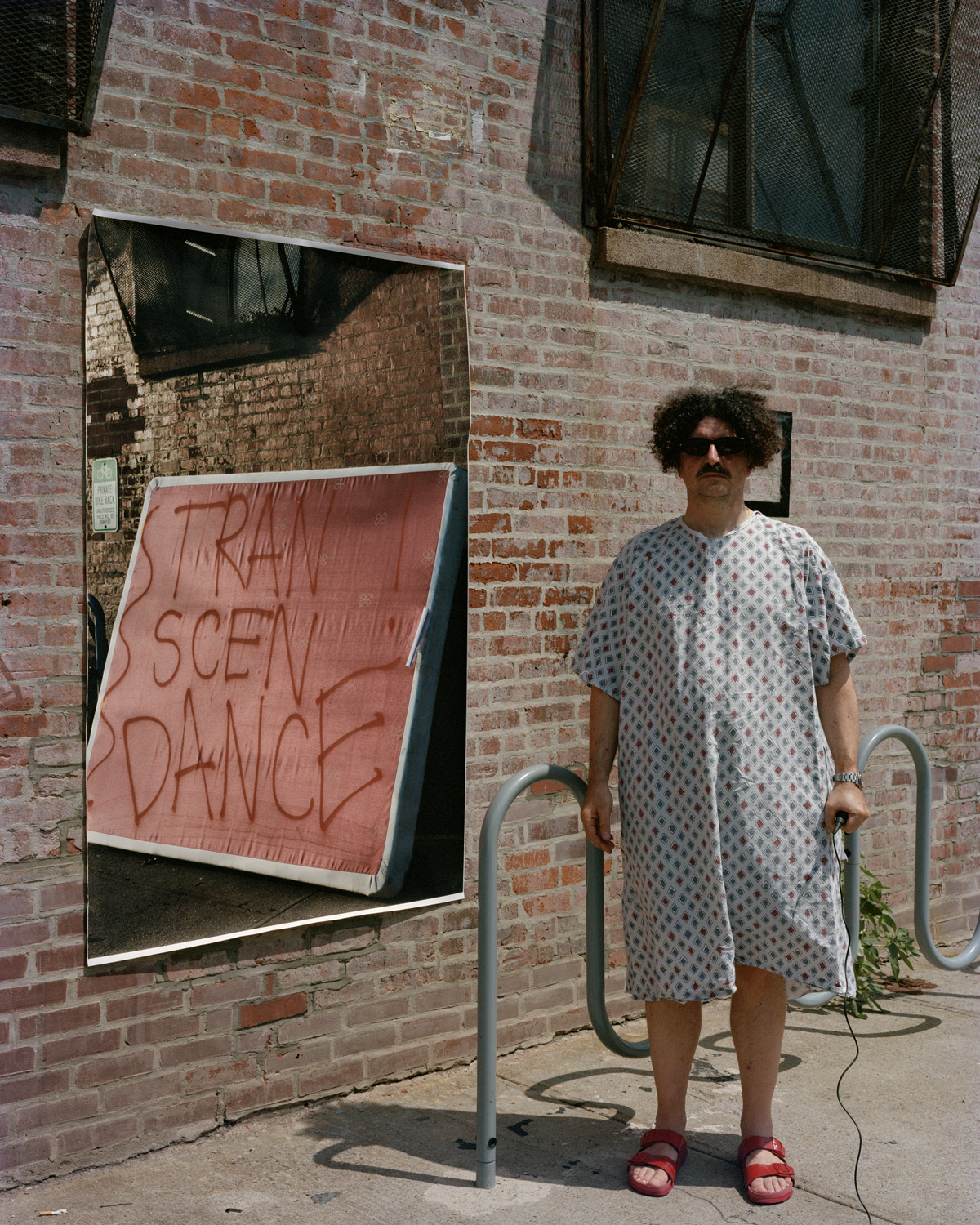


Scozzaro's images emit a certain aura even though what we see are mundane and almost obvious things: a street corner, ends of a column, handwriting on a cardboard surface, etc. The backs of these pictures are radiant with a shade of magenta, their dimensions nearly repeat rhythmically, but not really. As if we are given hope to be able to follow certain visual structures.
They are all composed through a great detail of attention, yet what is being depicted are messages and subjects that appear to be utterances, scribbles, half-asleep acts at work made more beautiful than they really are.
As an Italian who lives in America, the artist discovers that sensitivity and value really depend on our background, and effectively, our way of thinking. Interacting, or even having to live in another culture, leaves behind spaces that are strangely amusing, at times feel chaotic, yet vibrant. (Yacobus Ari Respati)

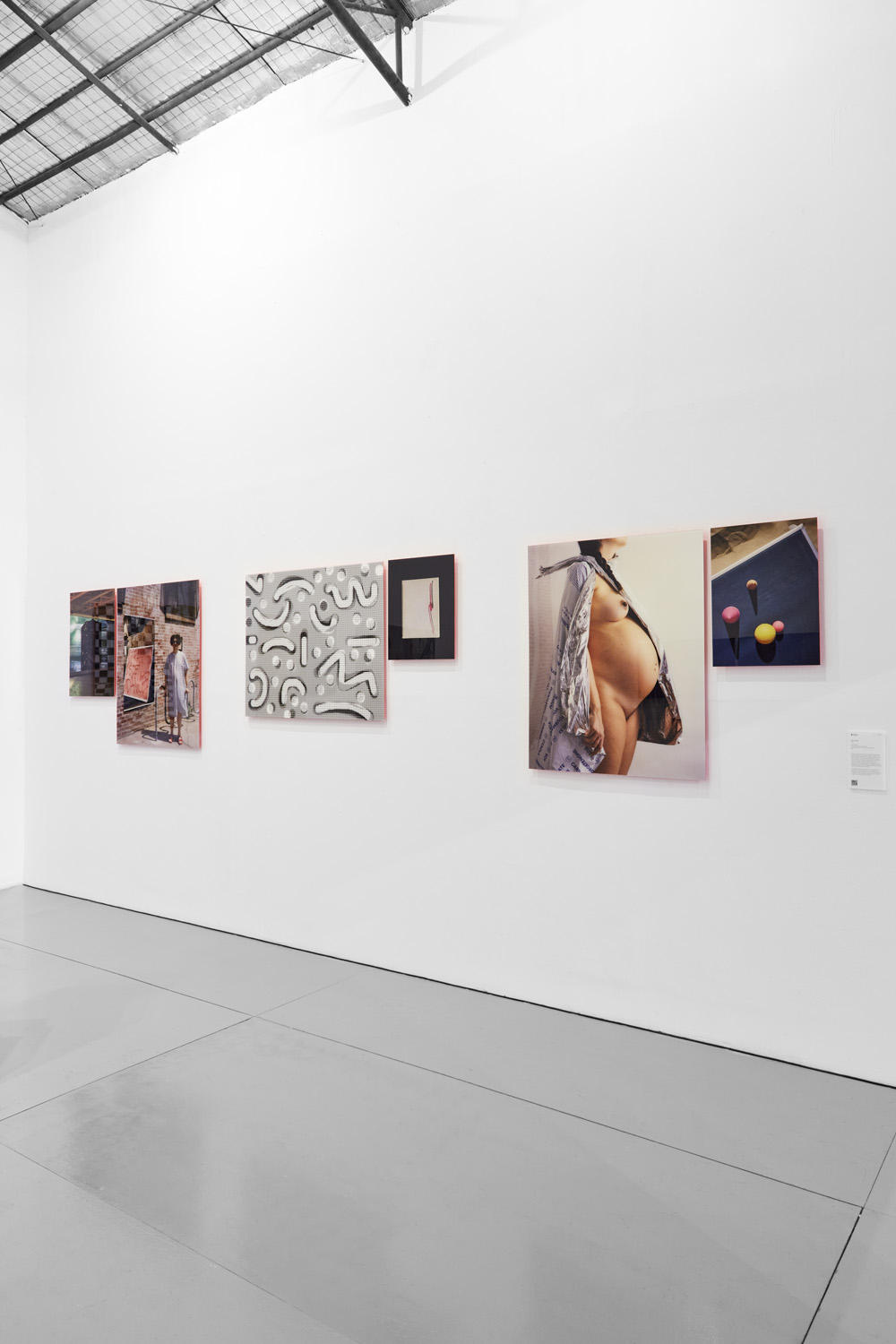
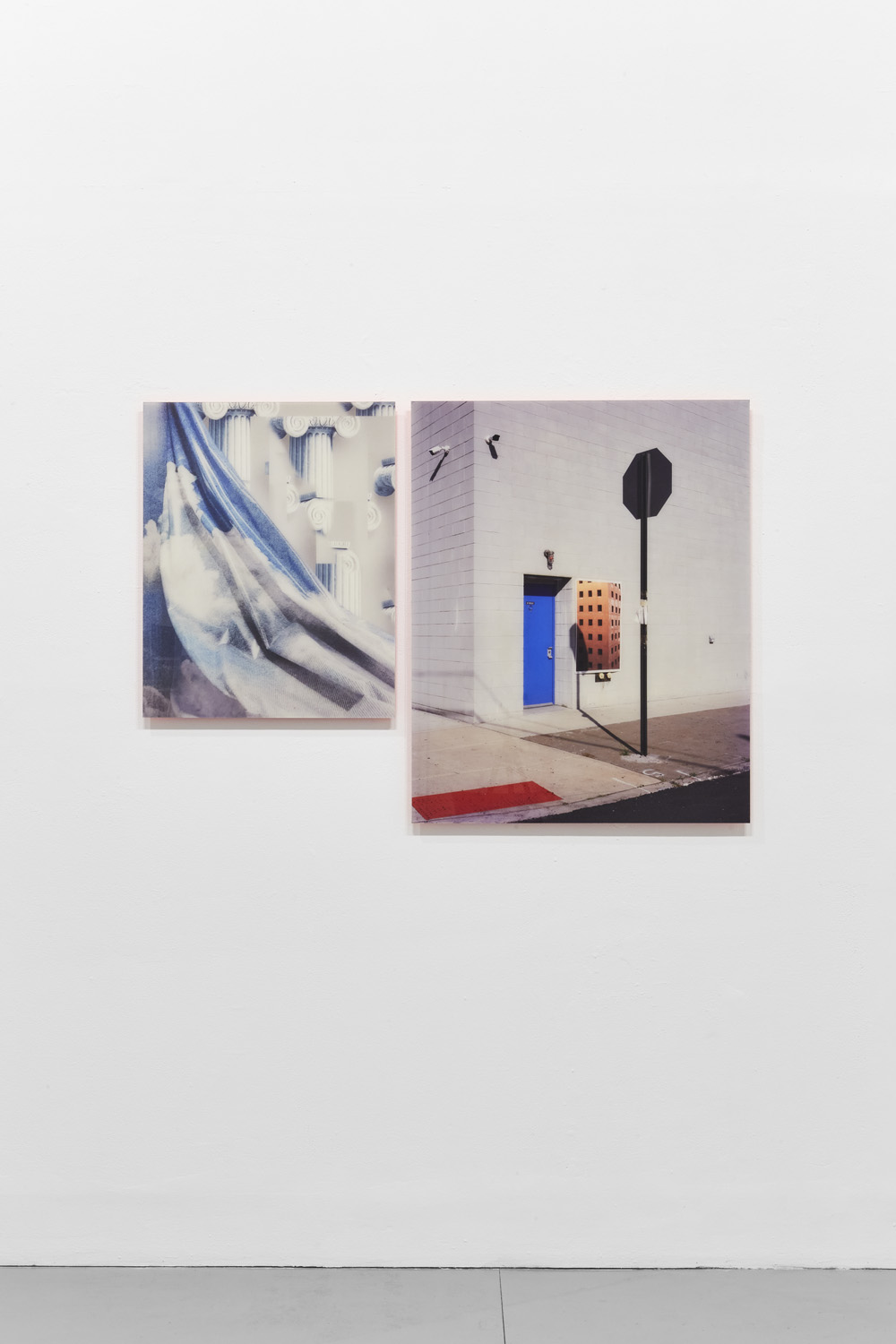



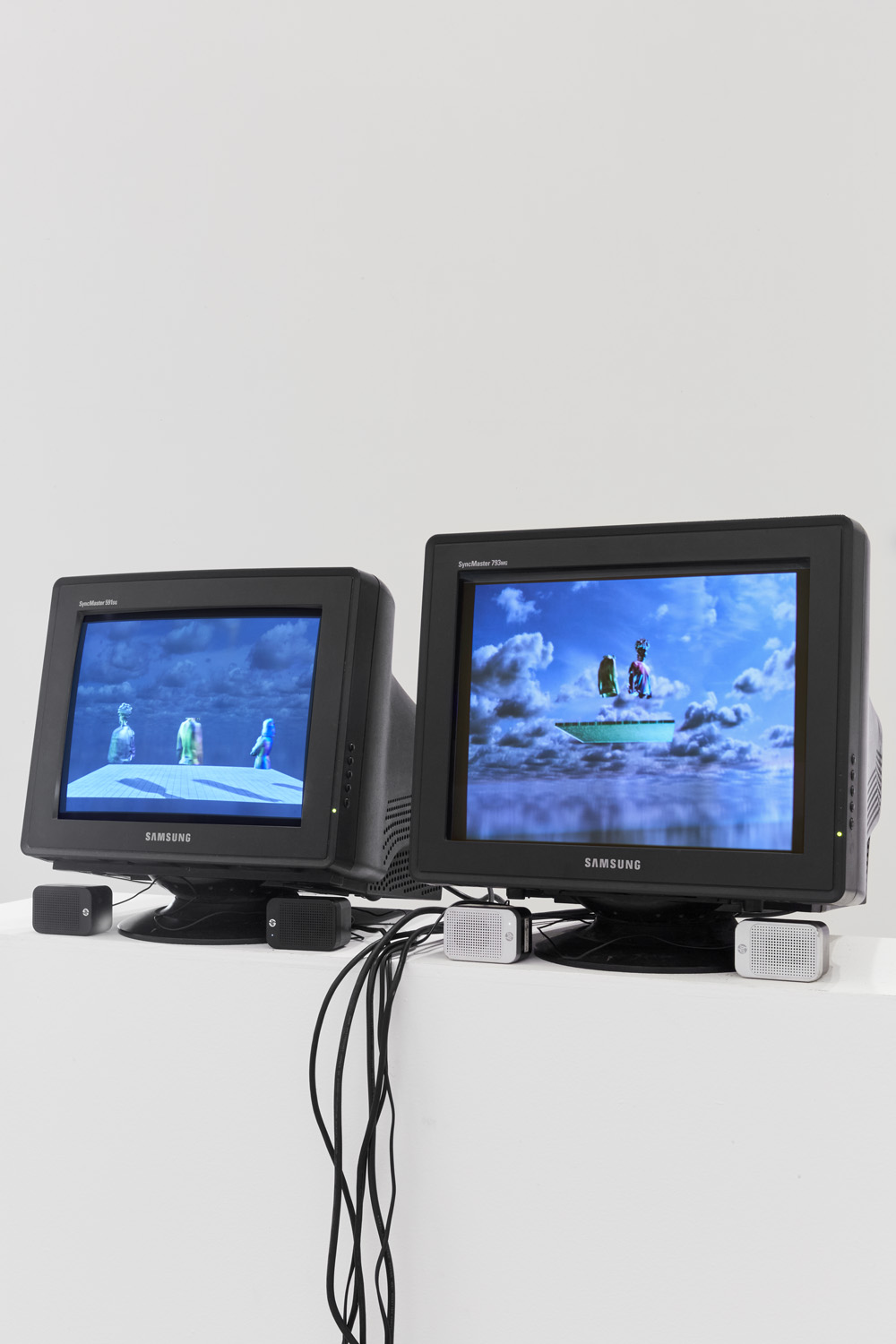

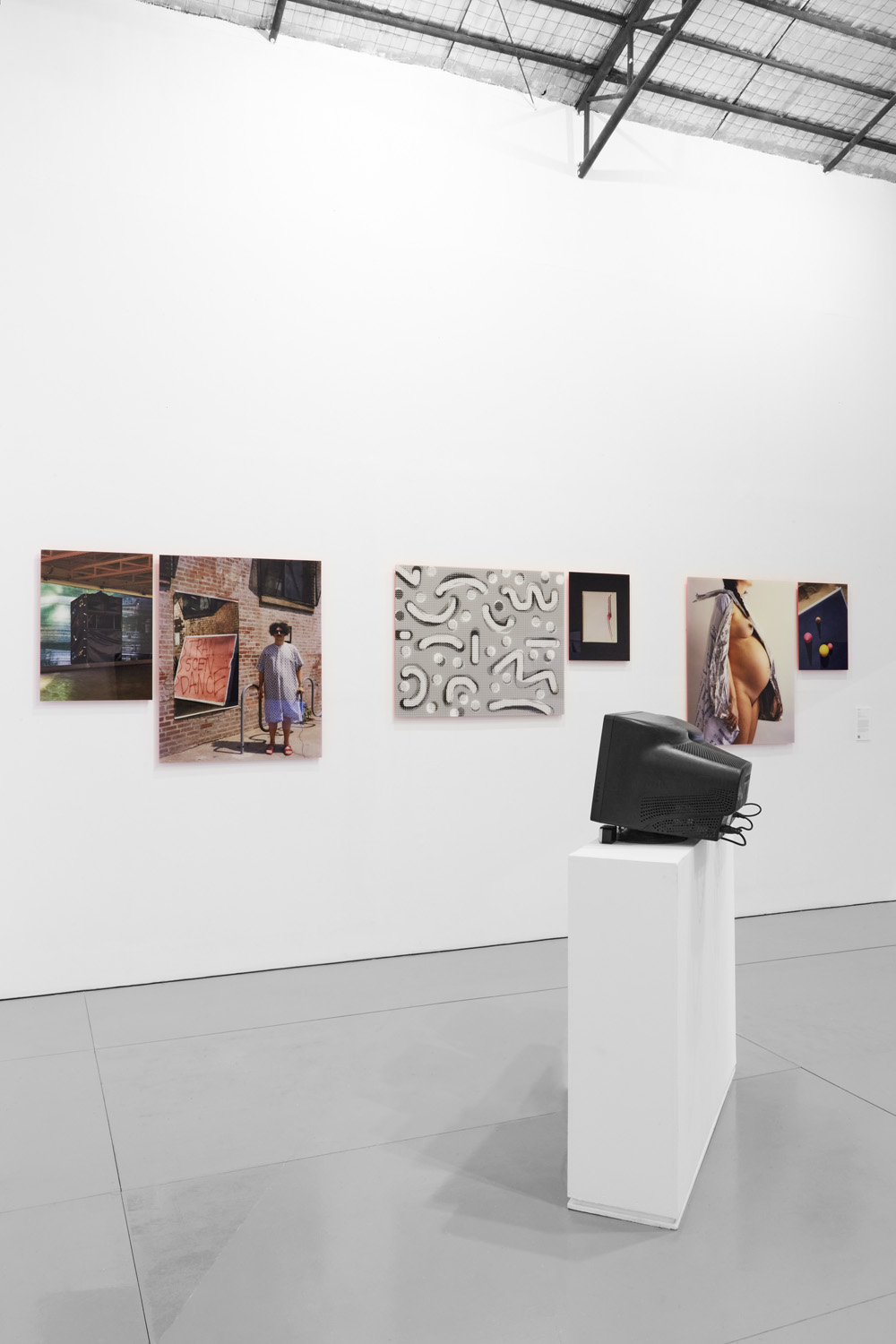



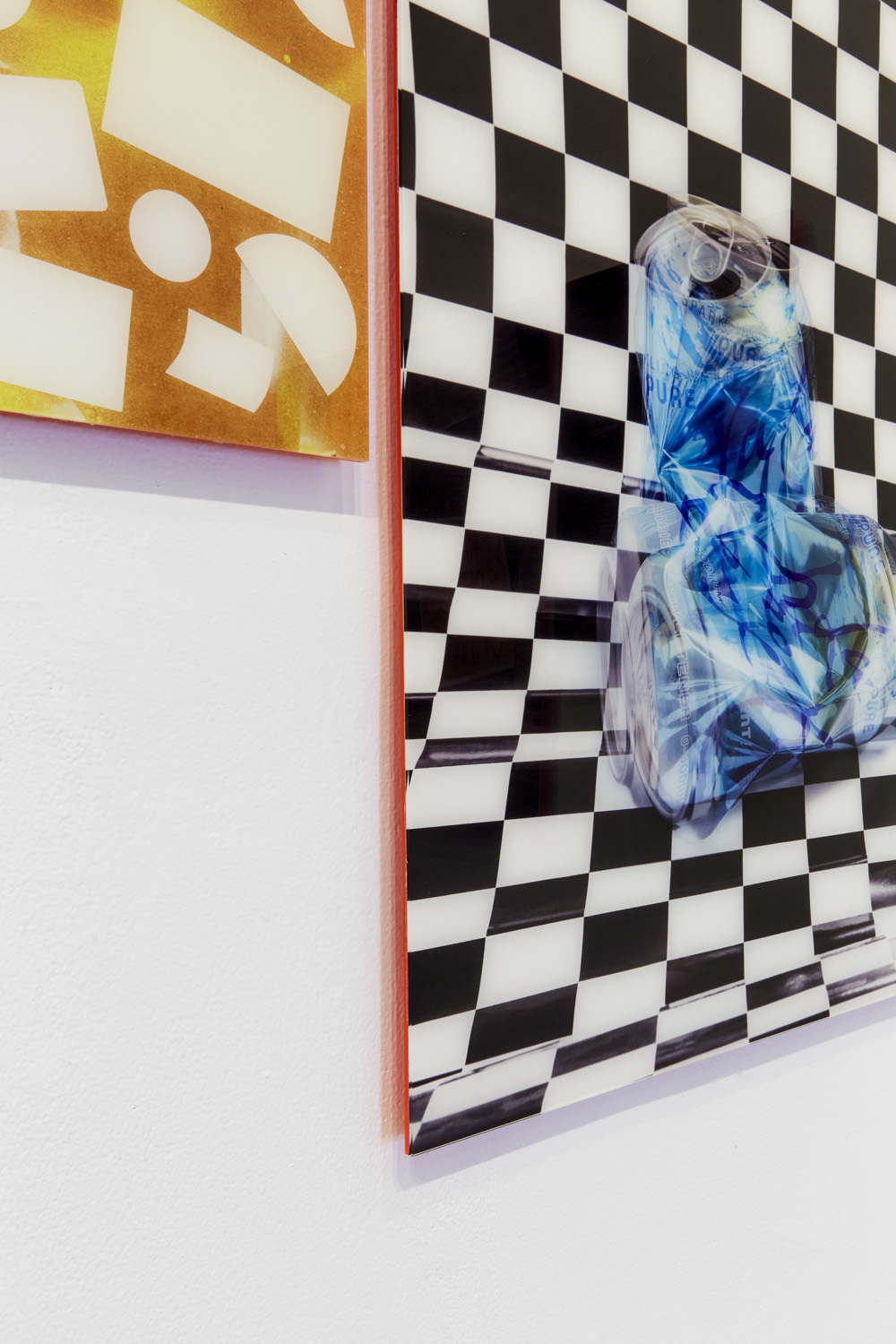


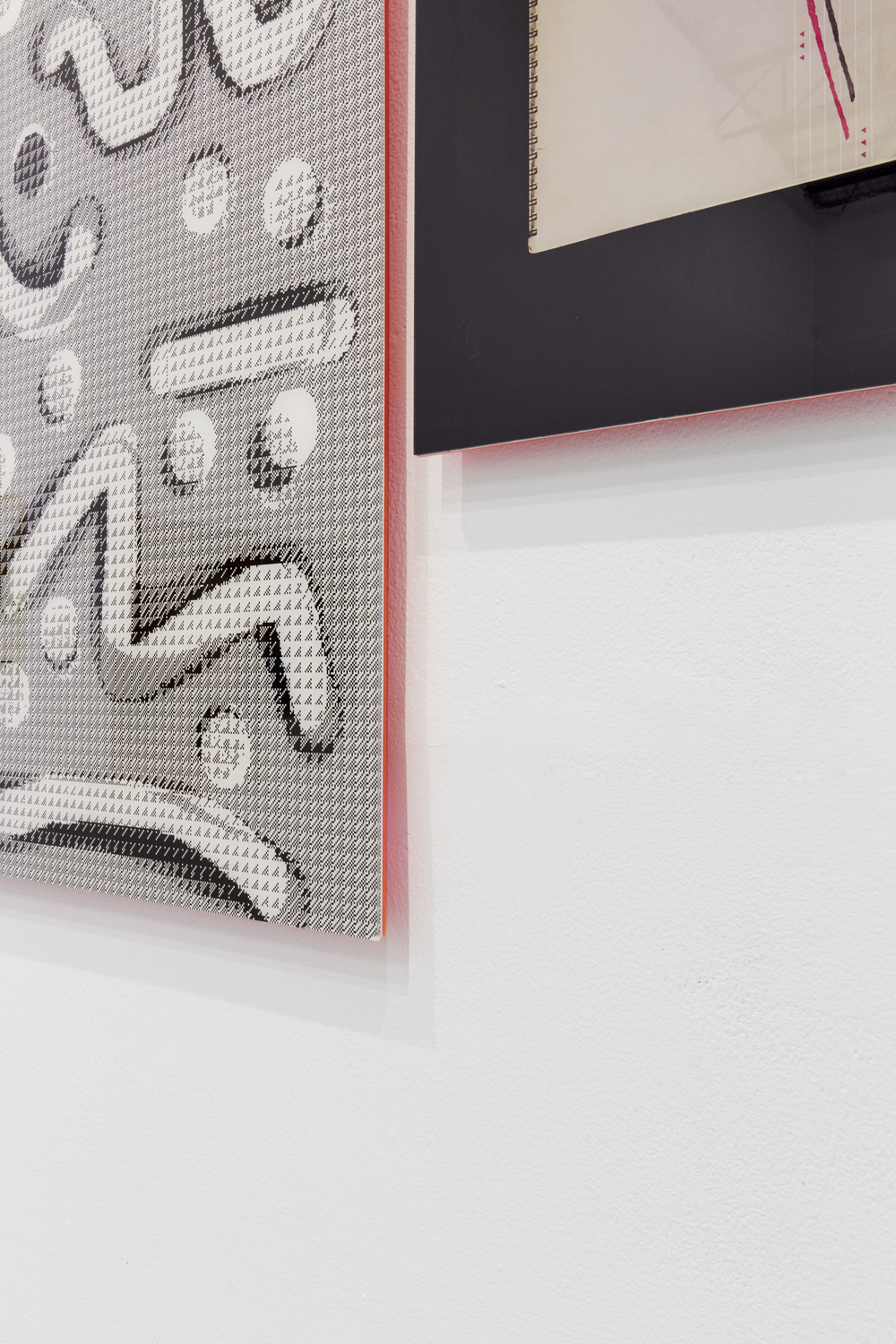

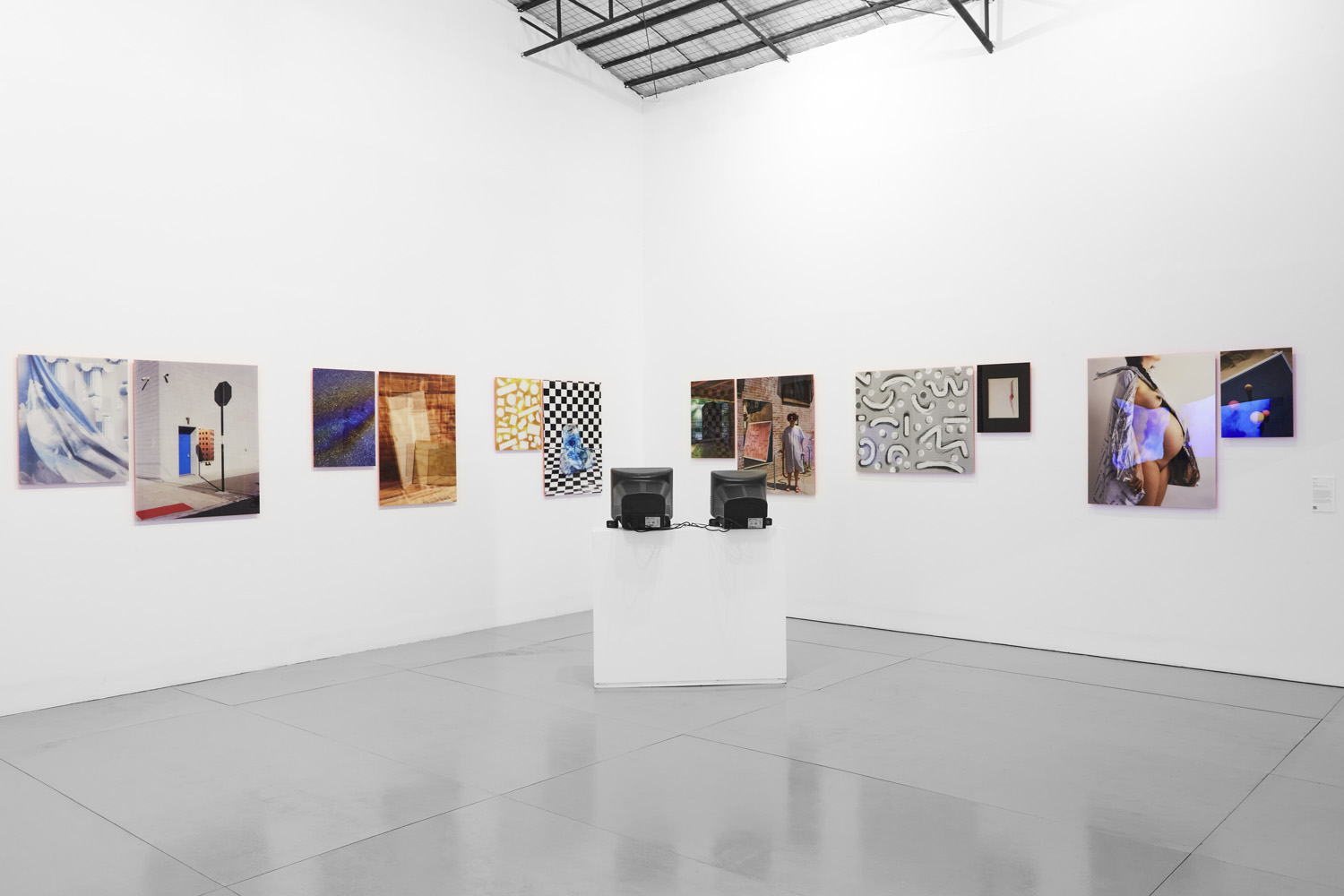

Installation views from the exhibition Synthetic Vision: Aeviternity, at Selasar Sunaryo Art Space, Bandung, Indonesia. Part of the Bandung Photography Triennale 2025. Curated by Henrycus Napitsunargo & Yacobus Ari Respati.
IMAGEDRATIC, 2024
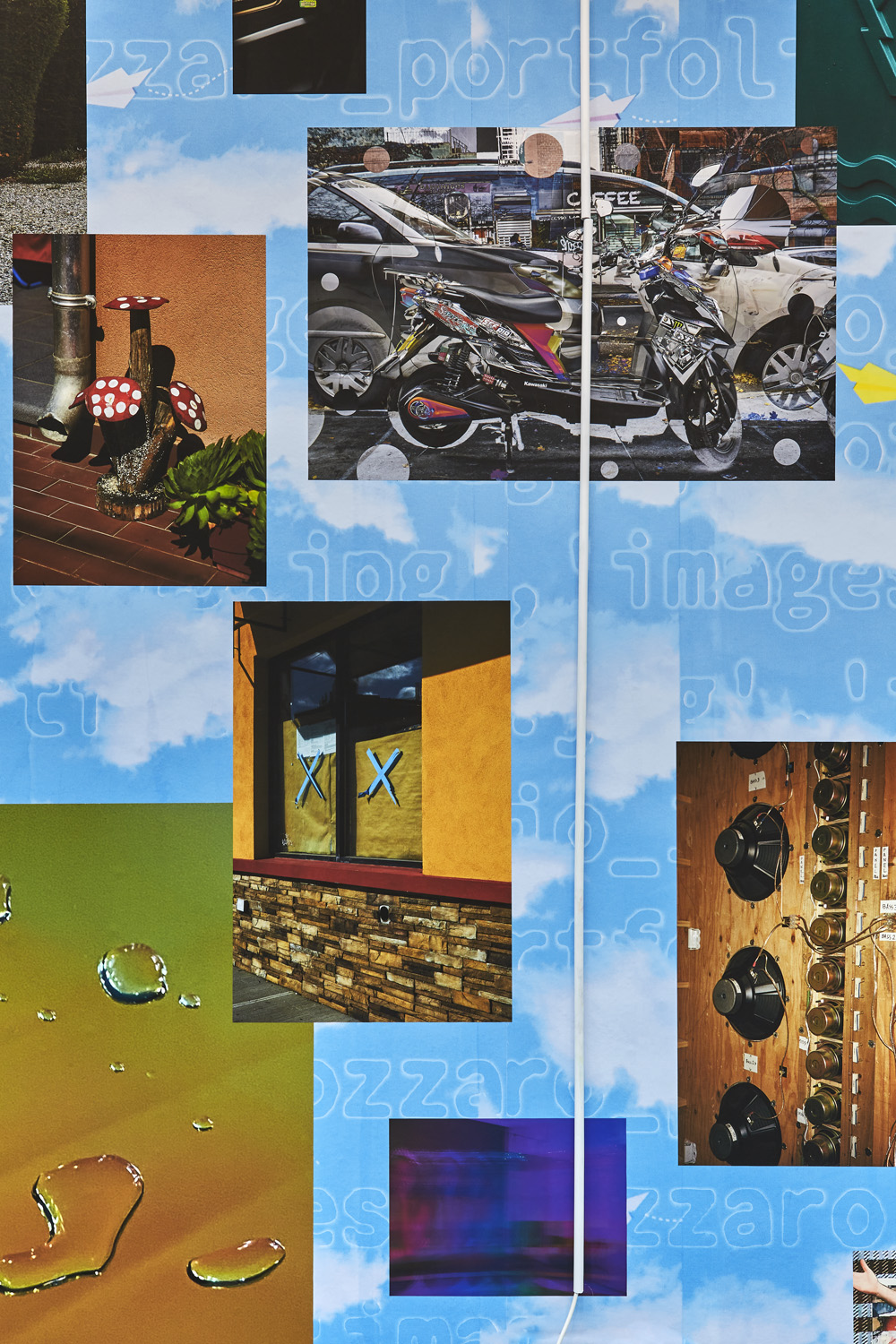
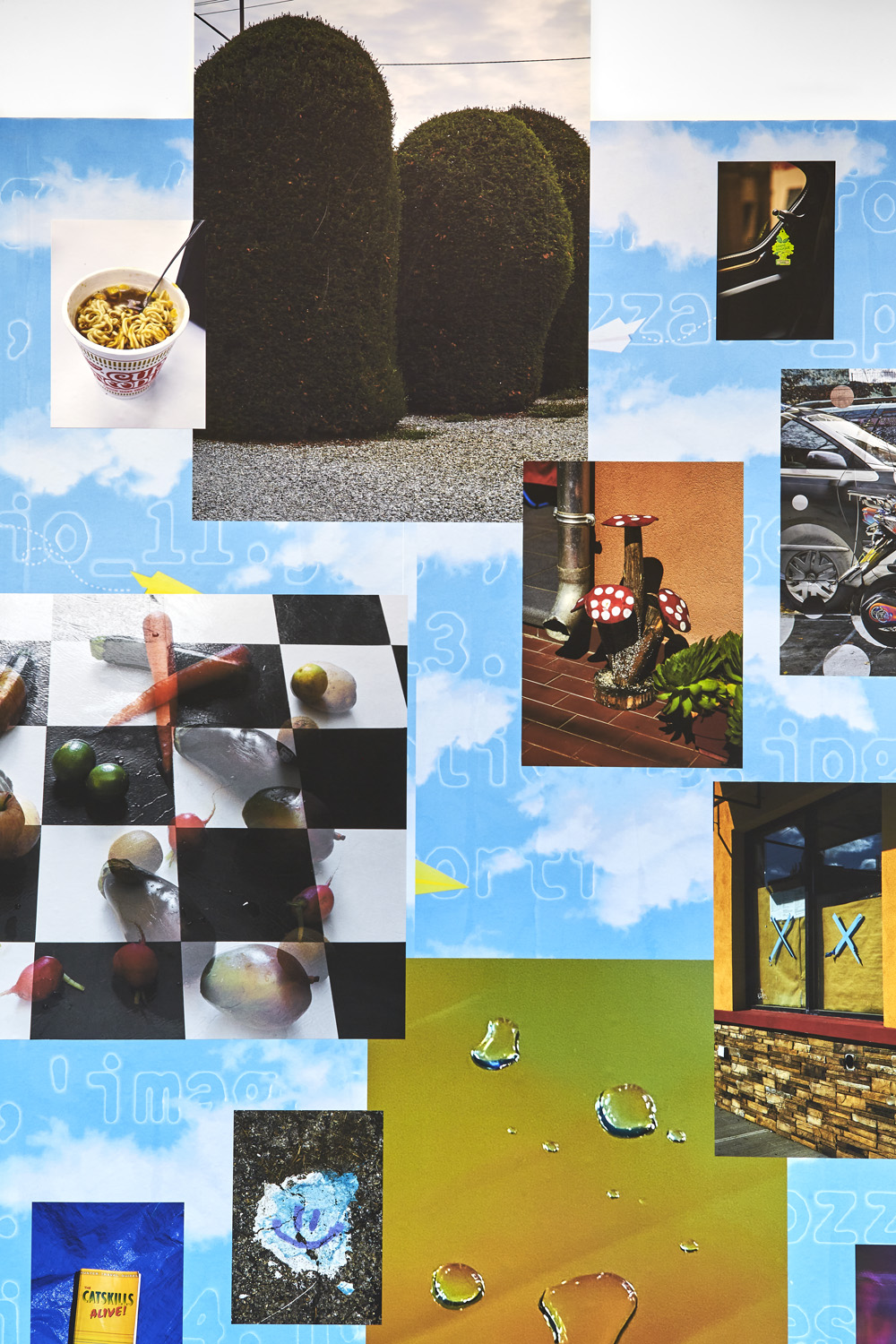
Pigment prints on self-adhesive polypropylene, 24 × 8 ft.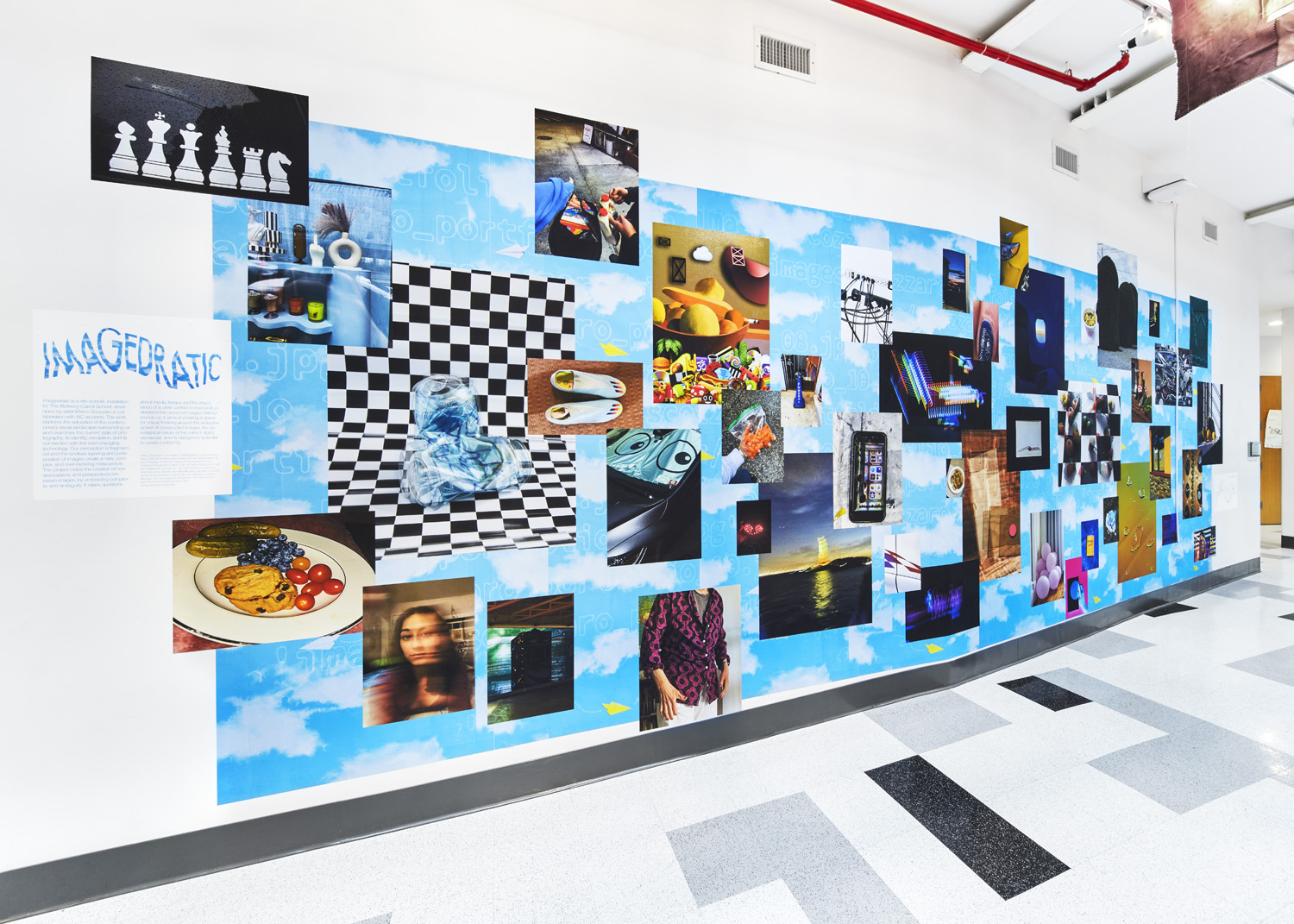
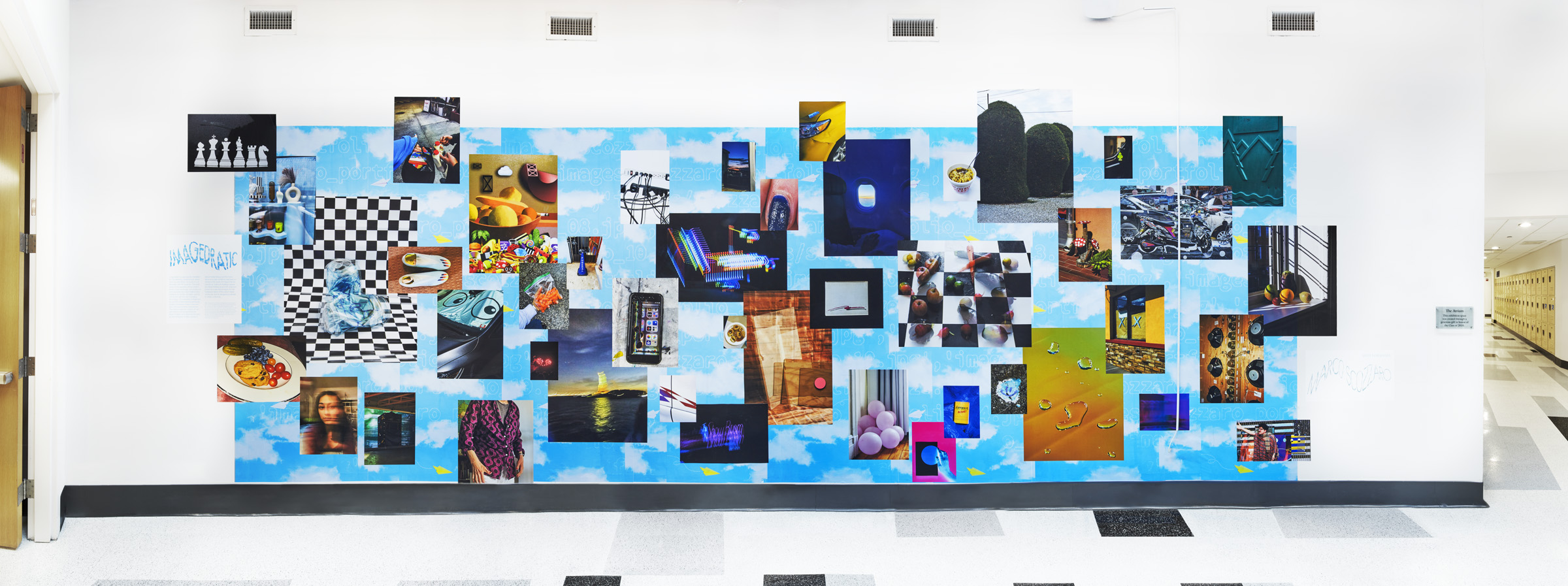
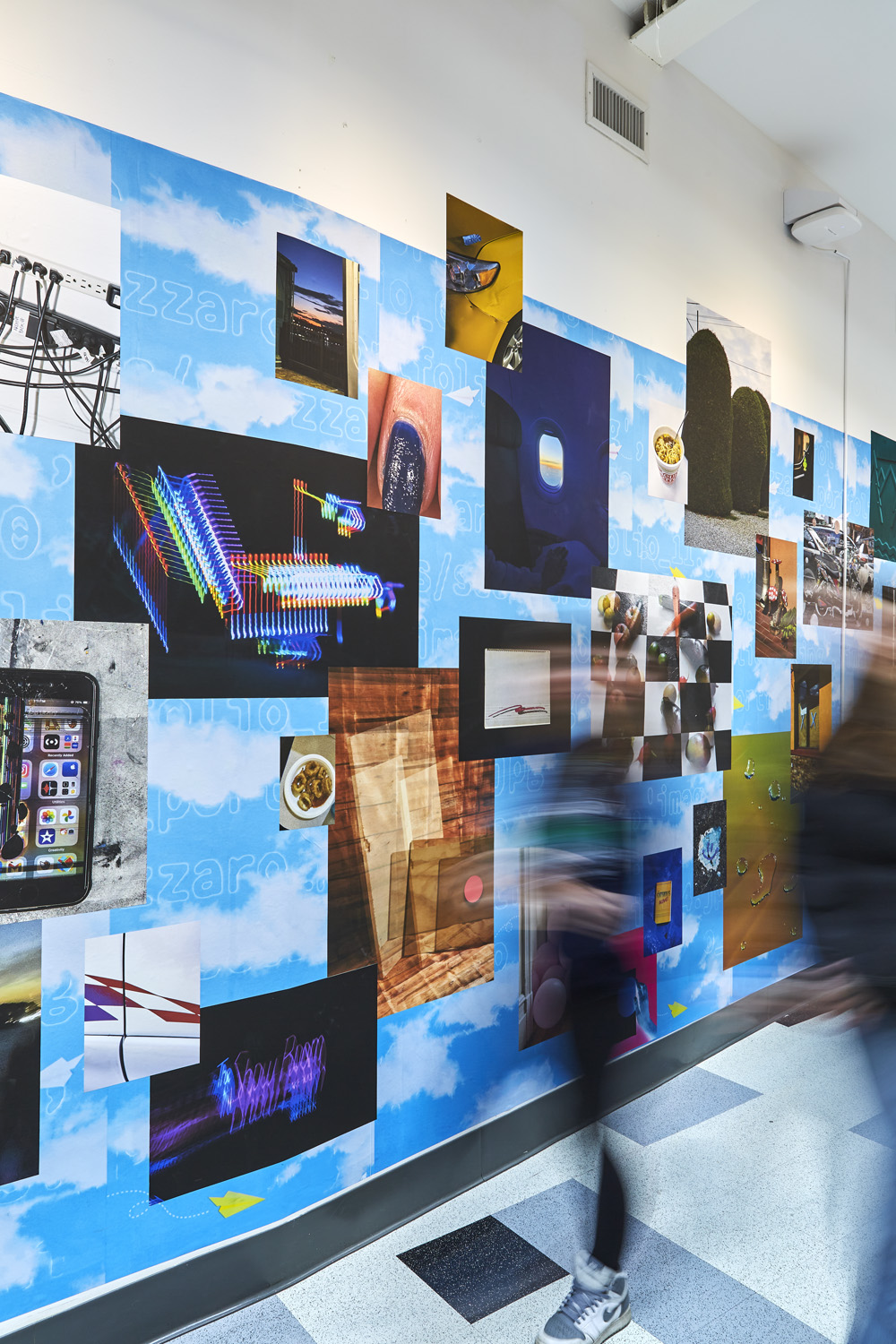
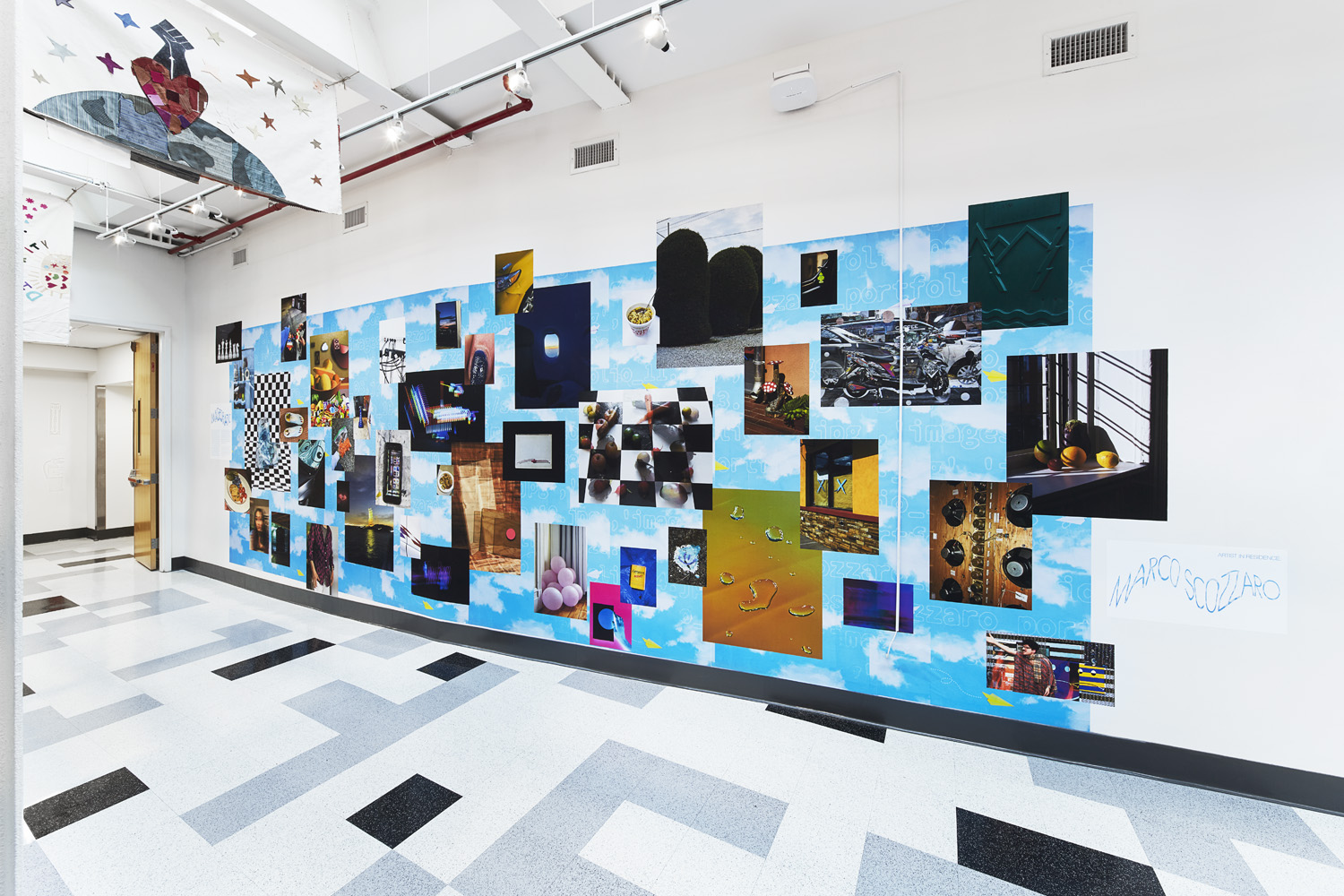
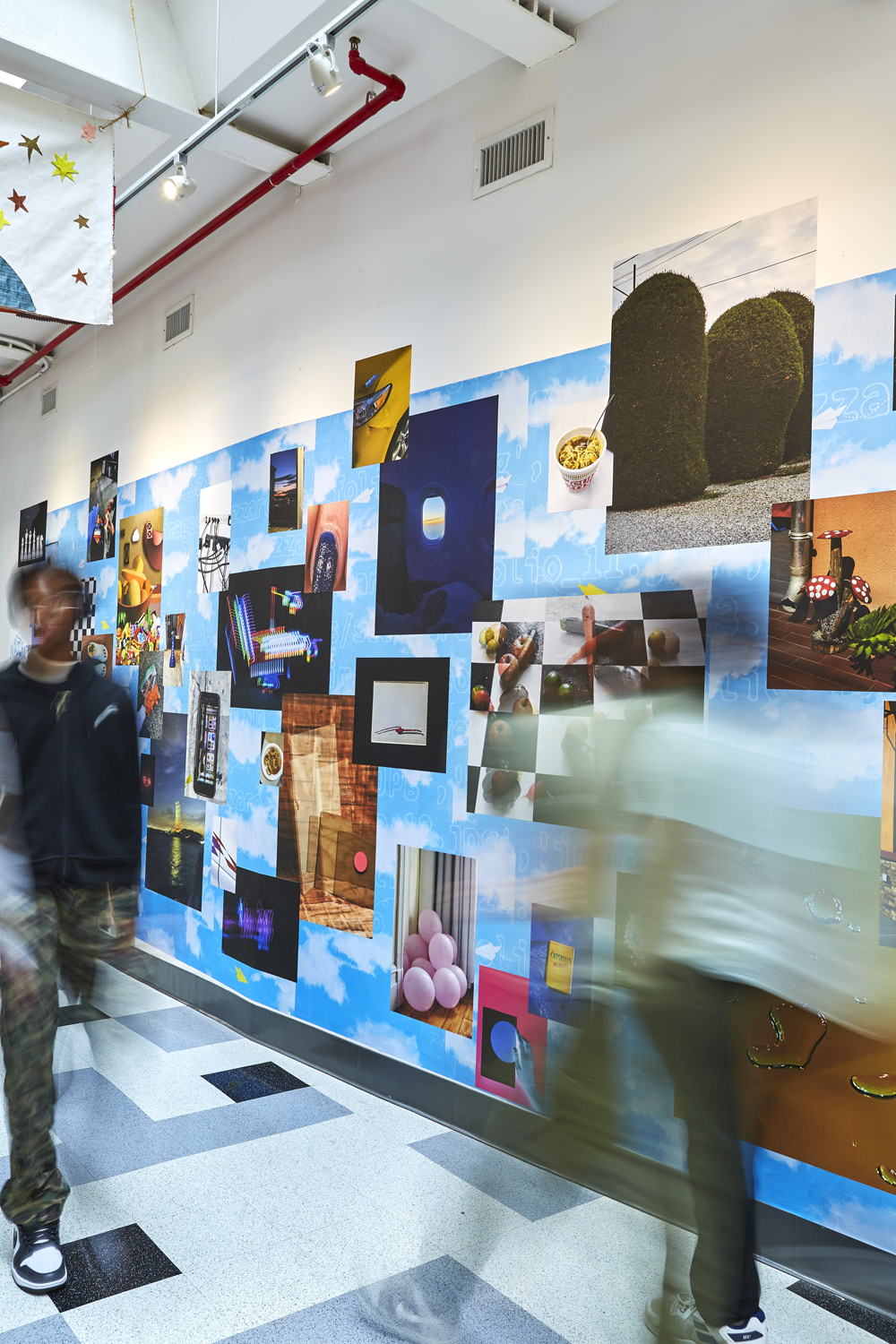
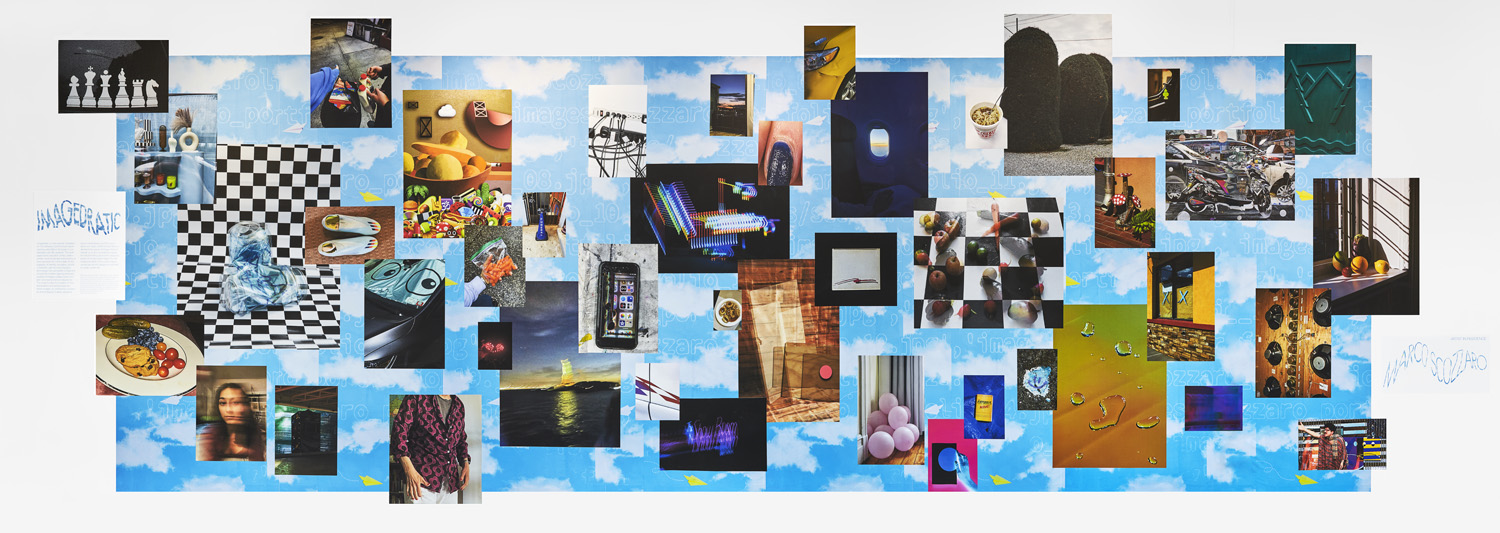
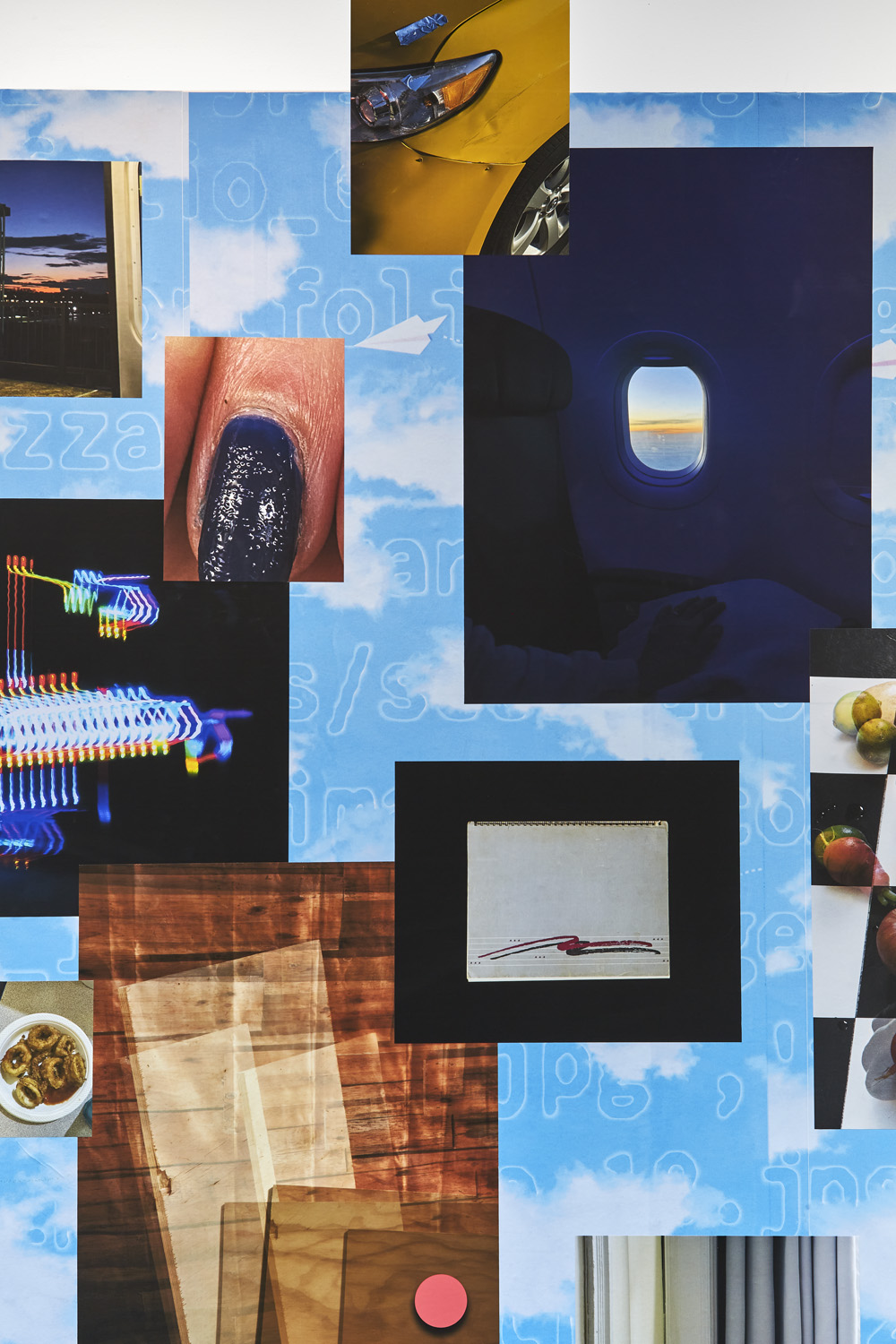
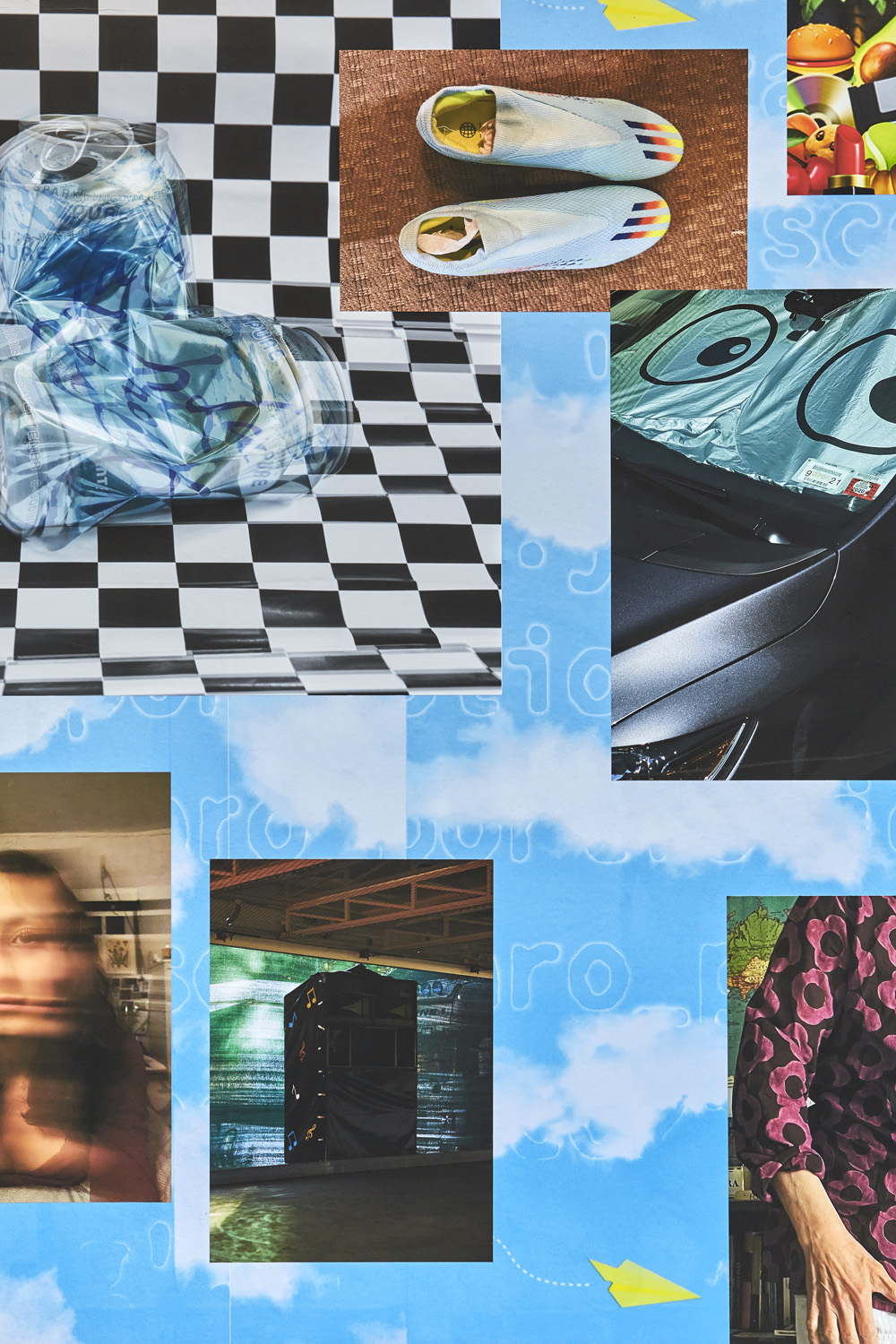
Imagedratic is a collaborative, site-specific installation created with middle and high school students as part of an artist residency at the Berkeley Carroll School in Brooklyn, NY. The project reflects on the overwhelming visual landscape we navigate daily and questions the nature of photography today—its identity, circulation, and entanglement with technology.
By juxtaposing and recontextualizing images drawn from diverse sources, Imagedratic invites viewers to form new associations, embrace visual ambiguity, and critically engage with the seductive power of constructed imagery and the clichés that shape our collective perception.







DIGI LA BAR, 2022
Duratrans on lightbox, 26 × 48 × 6 in;PVC and stickers, 17 × 17 × 9 in;
Neon sign on acrylic, 30 × 26 in.

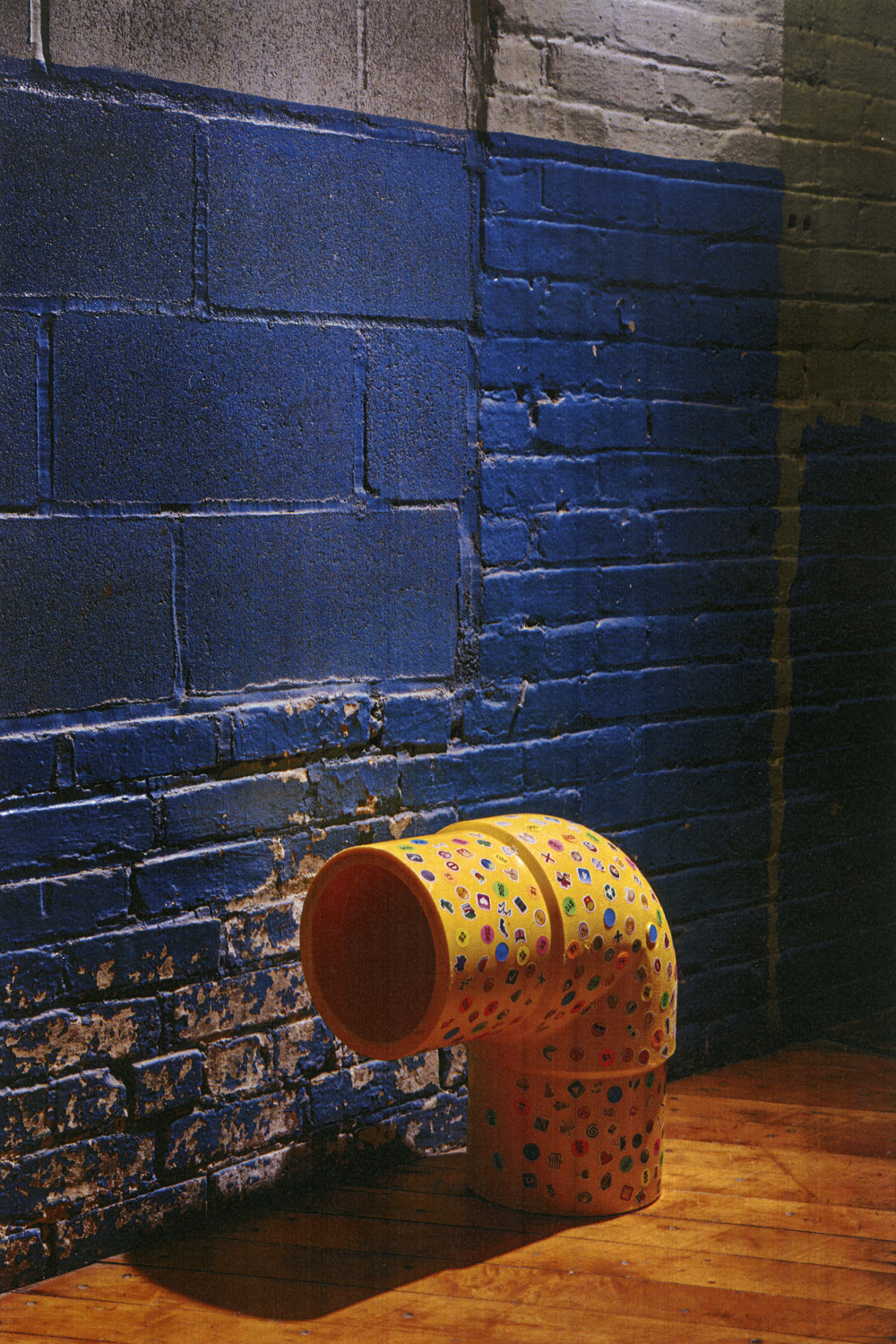

This installation repurposes found commercial materials to explore the circulation and consumption of images in today’s digital landscape. A found lightbox displays a digital collage of generic appropriated visuals, layered with photographs from the artist's archive. These overlapping fragments reference commercial signage while commenting on the endless recycling of imagery that defines the digital vernacular.
The work’s self-referential structure—where the same image appears across different contexts, scales, and materials—mirrors how photographs circulate online. A reworked neon sign, echoing a previous installation (Digital Deli), and a bright yellow PVC pipe covered in emoji stickers further extend the project’s playful yet critical reflection on visual culture, mass production, and the aesthetics of social media.
DID YOU HAVE A NICE DAY?, 2021
Pigment prints on fluorescent acrylic, eco-solvent prints on adhesive PVC, pigment prints on metallic paper mounted to clear acrylic, jacquard weave, sublimation prints on polyester satin, blue chroma key paint, eco-solvent print on PVC carpet.Dimensions variable.
Three-channel video installation, color, sound, 9 min 45 sec.
Animated GIF, single-channel video projection, color, silent.
Exhibition catalog





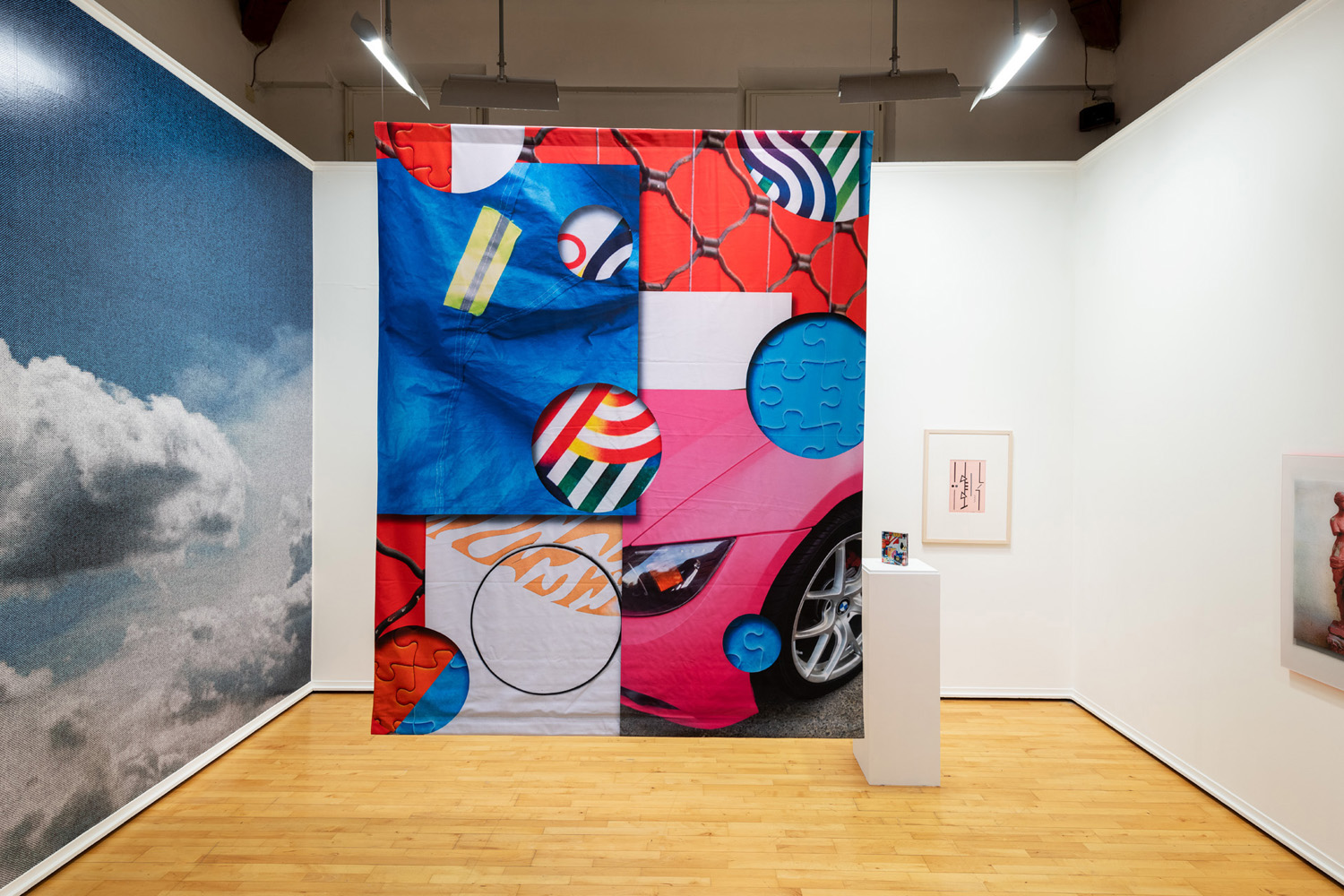


Did You Have a Nice Day? situates Marco Scozzaro’s work within a broader reflection on photography’s shifting identity in the digital age. Embracing the visual debris of contemporary culture, Scozzaro merges the formal rigor of traditional photography with the aesthetics of screens, feeds, and interfaces. His practice draws from social media’s layered image culture—where selfies, ads, artworks, appropriations, and snapshots coexist on equal terms—transforming this democratic visual flow into complex compositions that question how meaning is created and circulated today.
In this solo exhibition, Scozzaro’s saturated images and videos counterpoint the neoclassical architecture of the Palazzo Santa Margherita in Modena and enter into dialogue with works from local archives and collections. This constellation of references creates a vibrant exchange across generations, reflecting Scozzaro’s formative Italian background and his current perspective as a New York–based artist, from the conceptual photography of Luigi Ghirri to the radical design experiments of Ettore Sottsass and Alessandro Mendini, and the postmodern architecture of Aldo Rossi. Did You Have a Nice Day? explores displacement as a means to bridge geographies, eras, and visual languages. By reframing familiar cultural codes through a contemporary lens, Scozzaro reveals how photography continues to reinvent itself as both a technological and emotional medium in dialogue with its own history.
SEMI-DETACHED, 2011
Pigment prints, 40 x 50 in. each
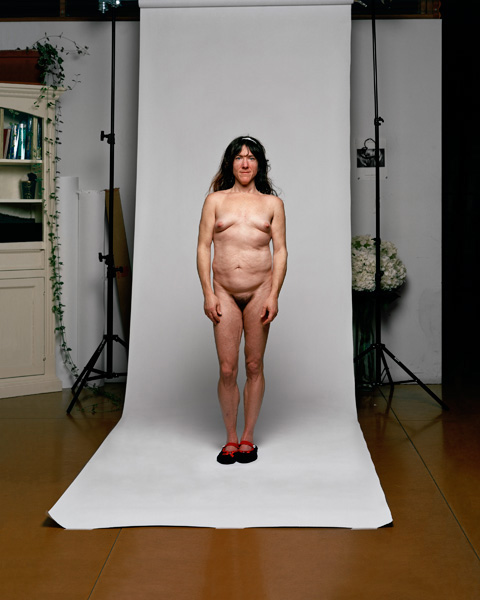
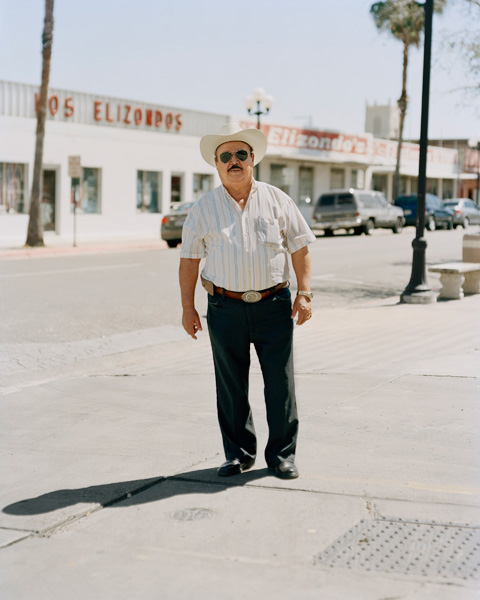


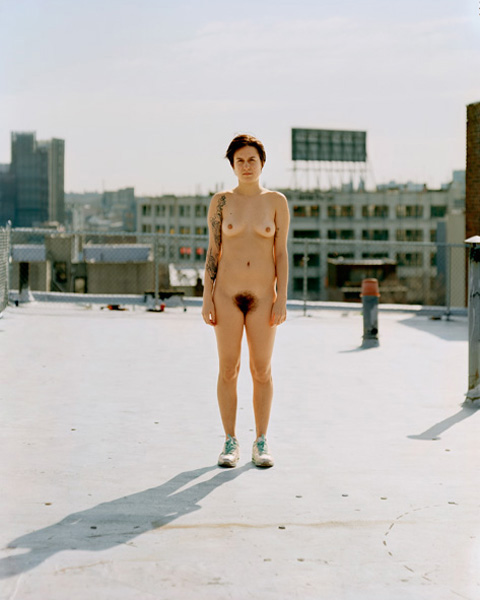
Through the performative practice of meeting strangers on the streets or via Craigslist ads, Scozzaro employs formal portraiture, self-portraiture, and serial strategies to explore his desire for human connection. On a broader level, these existential portraits investigate displacement, detachment, and isolation.
SEMI-DETACHED, 2011
Artist book, pigment prints, leporello binding, 7 x 8.5 in. Edition of 5.


NEOPRIMITIVISMO/NEOTRIBALISMO, 2010
Pigment prints, 40 x 30 in each
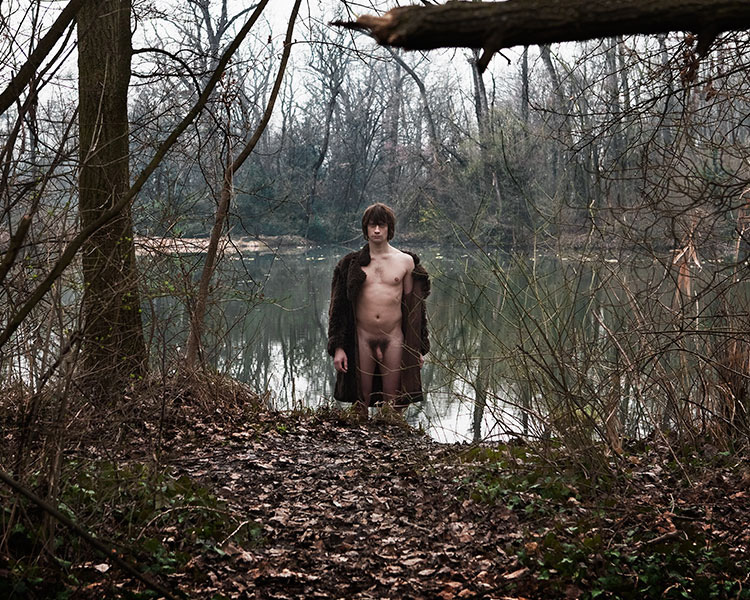



Neoprimitivismo / Neotribalismo examines the tension between individual identity and collective belonging in contemporary society. Drawing on a symbolic and editorialized interpretation of tribal imagery and using male friends as models, Scozzaro explores how cultural and social codes are internalized, performed, and reinterpreted. The work foregrounds vulnerability, emphasizing the intimate exposure of his nude models, partially draped in their or the artist’s mother’s fur, as he investigates themes of gender, identity, and social expectation.
NEURONI MIRROR, 2009
C-prints on Dibond and acrylic, 40 x 60 cm each
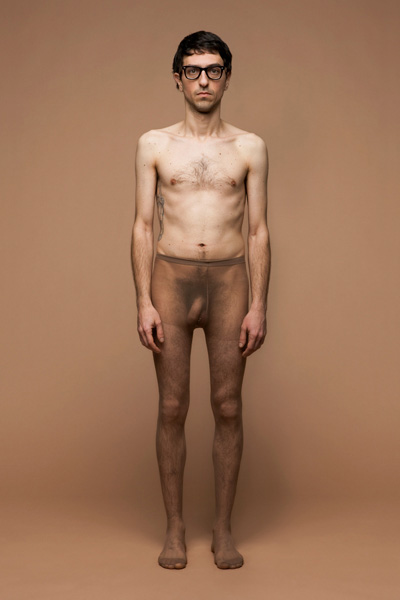


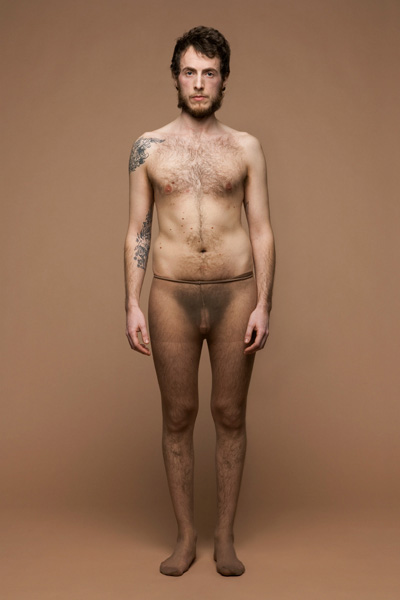
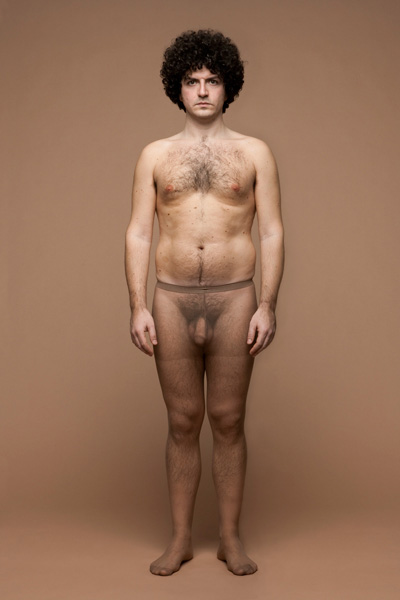


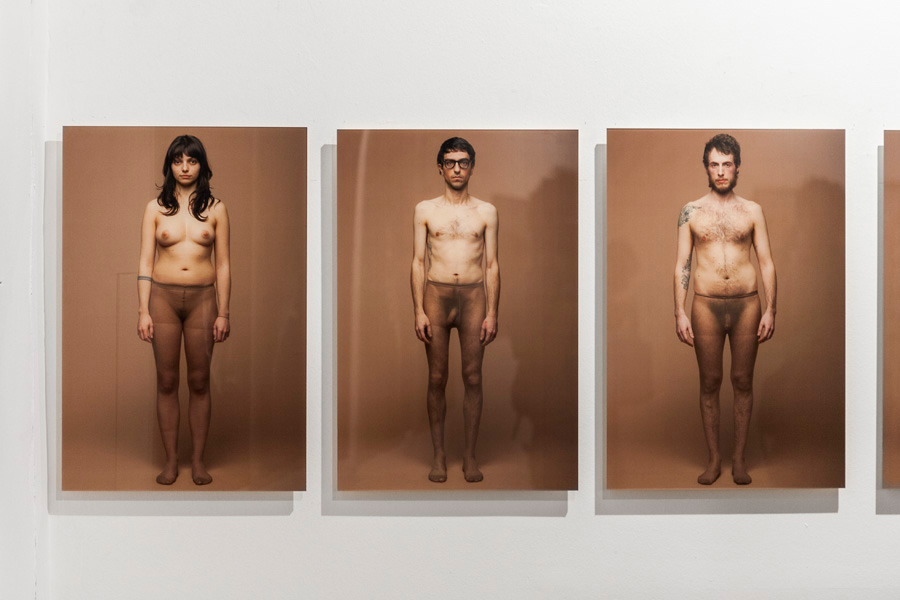
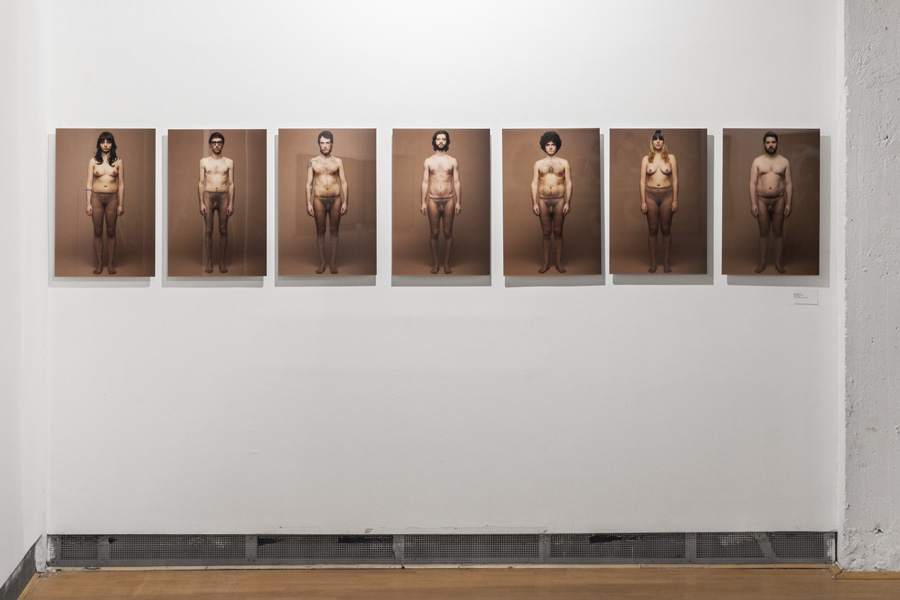
Taking its name from the class of neurons that trigger both when performing an action and when observing it, Neuroni Mirror reflects on the biological basis of imitation. Scozzaro uses this metaphor to explore the risks of conformity and the pressures of mainstream culture, highlighting the tension between individuality and homogenization.
NUOVA PHYSICA, 2007
Chromogenic prints on Sintra. Dimensions variable.
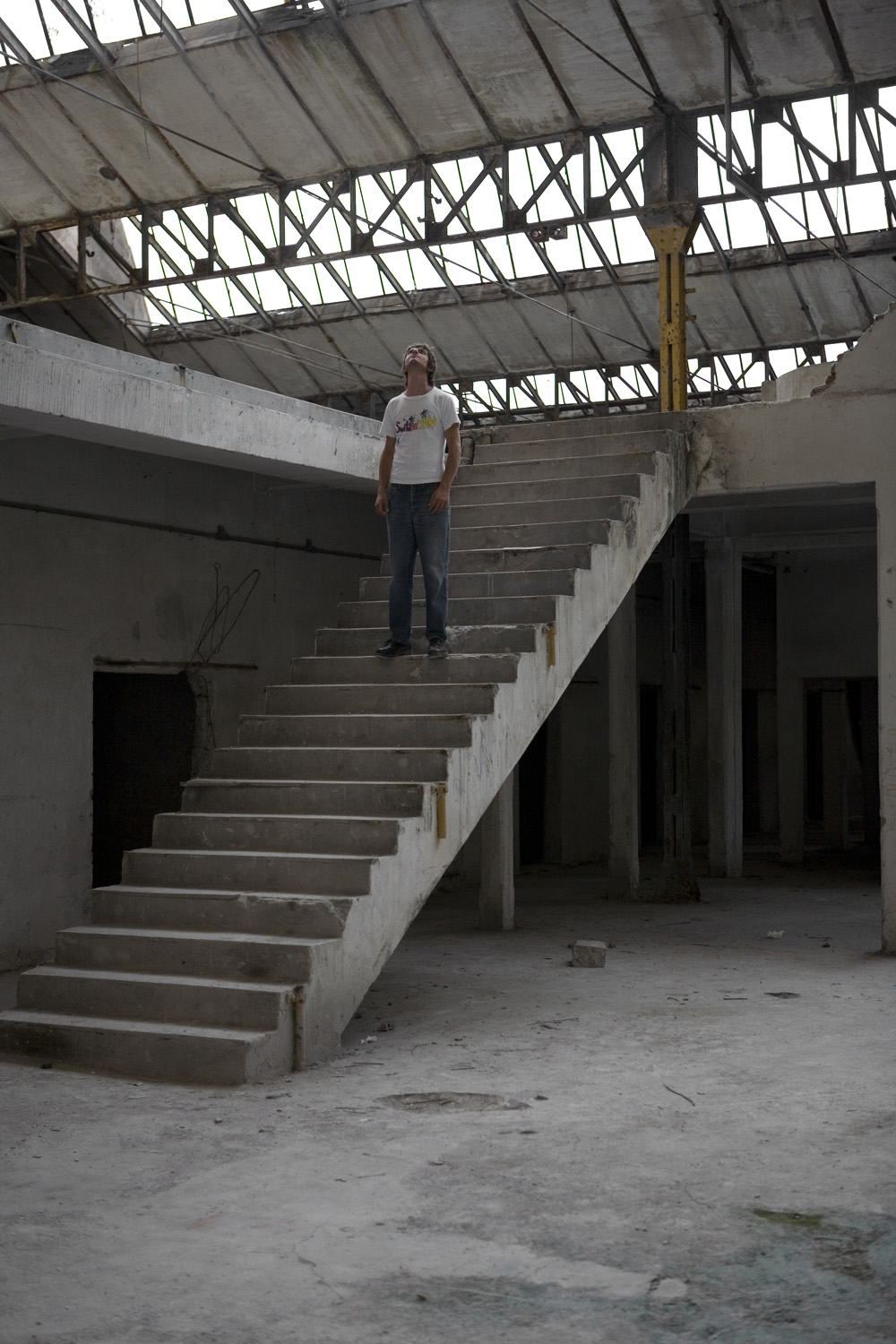






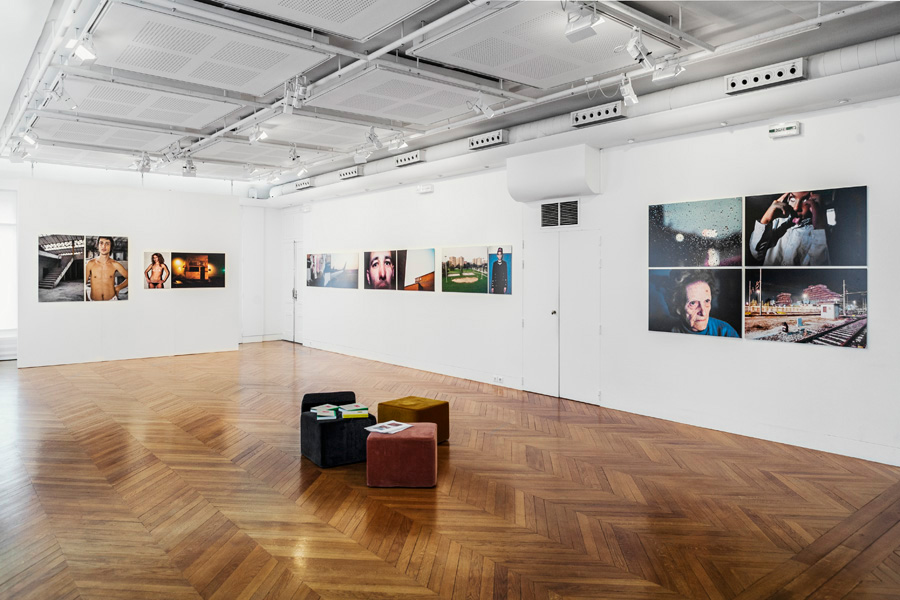


In Nuova Physica, Scozzaro captures the pulse of urban life in the Italian province, portraying youth, nightlife, family, evocative architecture, and everyday encounters with immediacy and intimacy. Using diptychs as open-ended narrative devices, he investigates the tension between exposure and detachment, vulnerability and performance, tracing the ongoing negotiation of identity.
TI CERCO, 2008
Ecosolvent prints on polyester, 175 x 287 cm each.Exhibition catalog


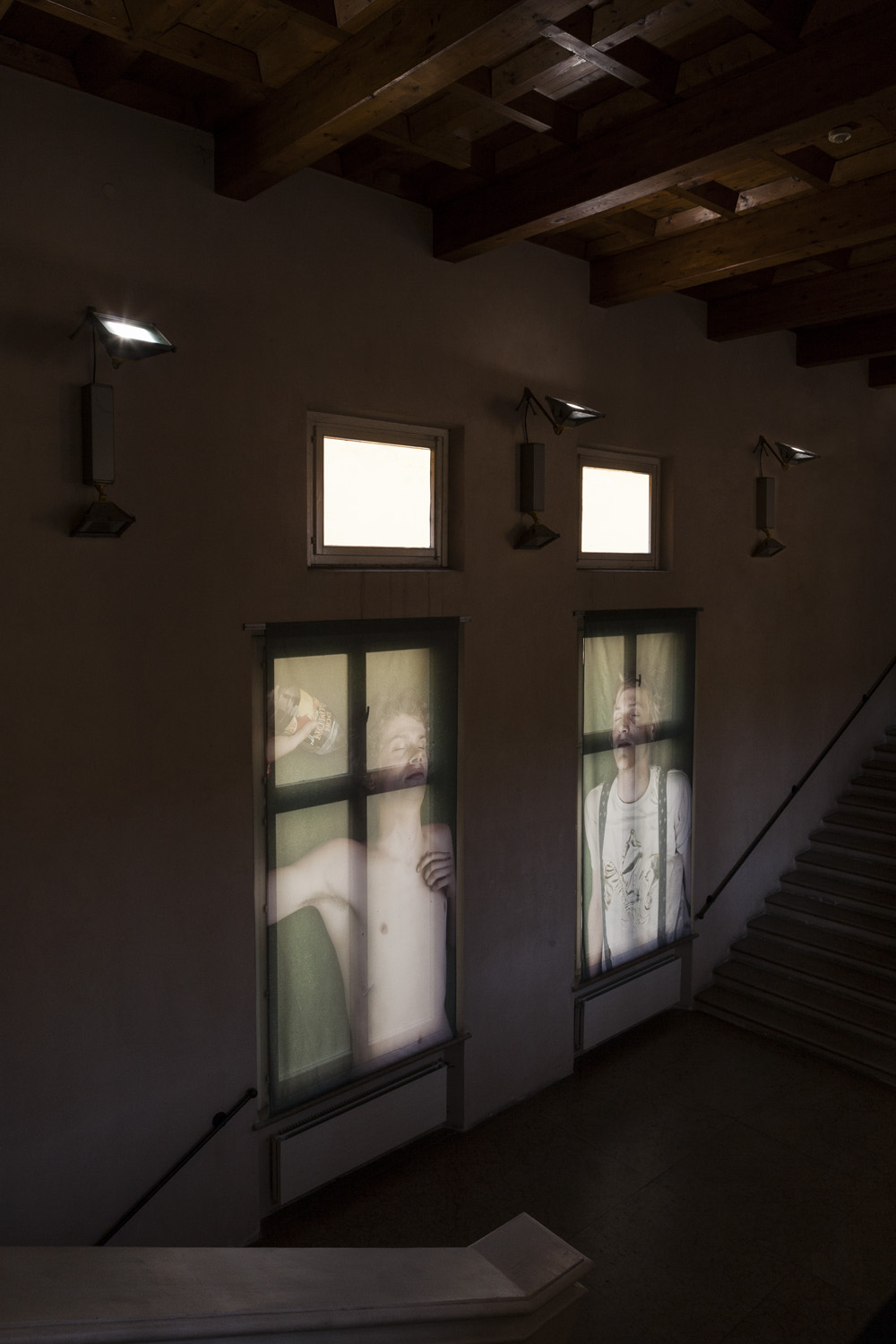


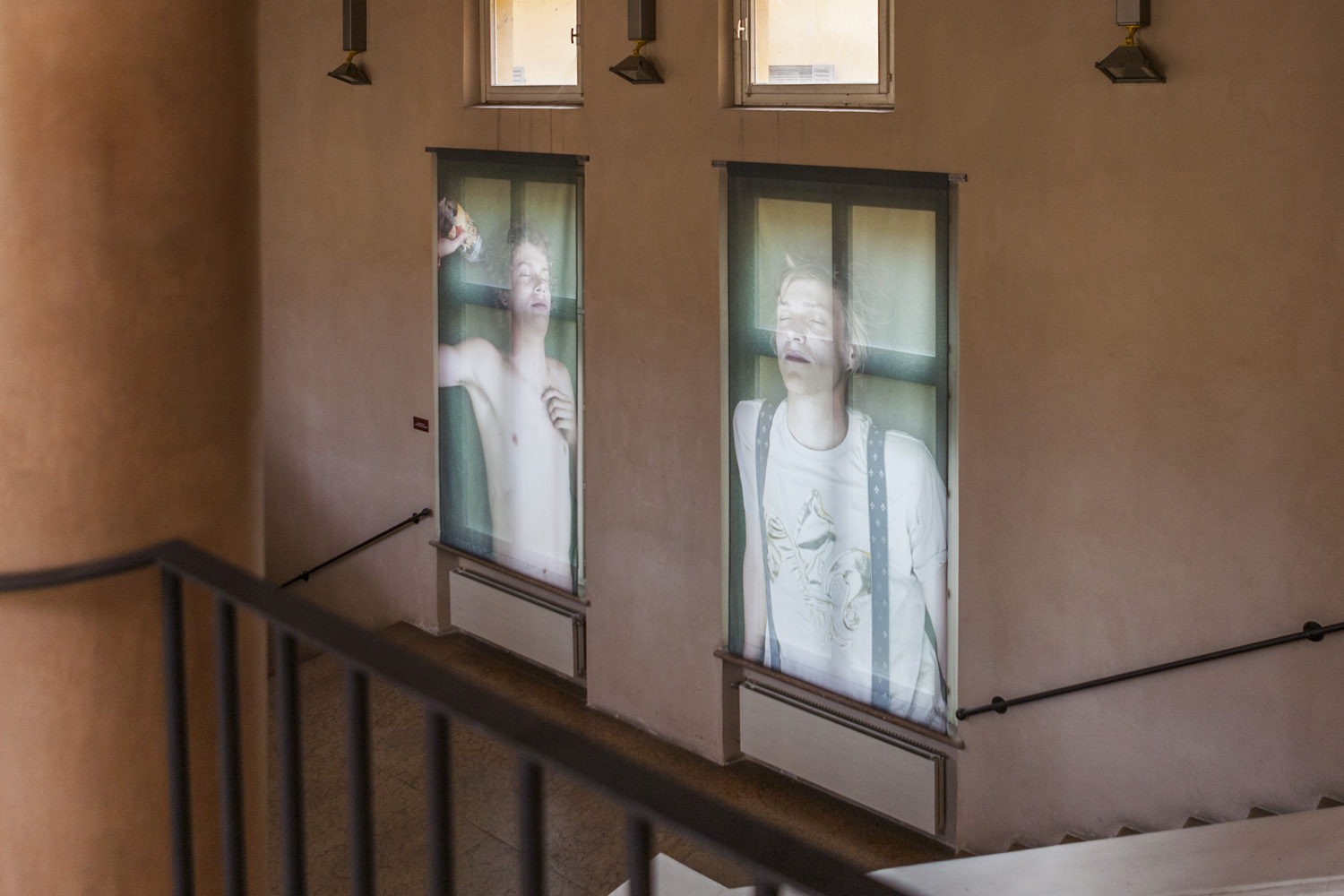
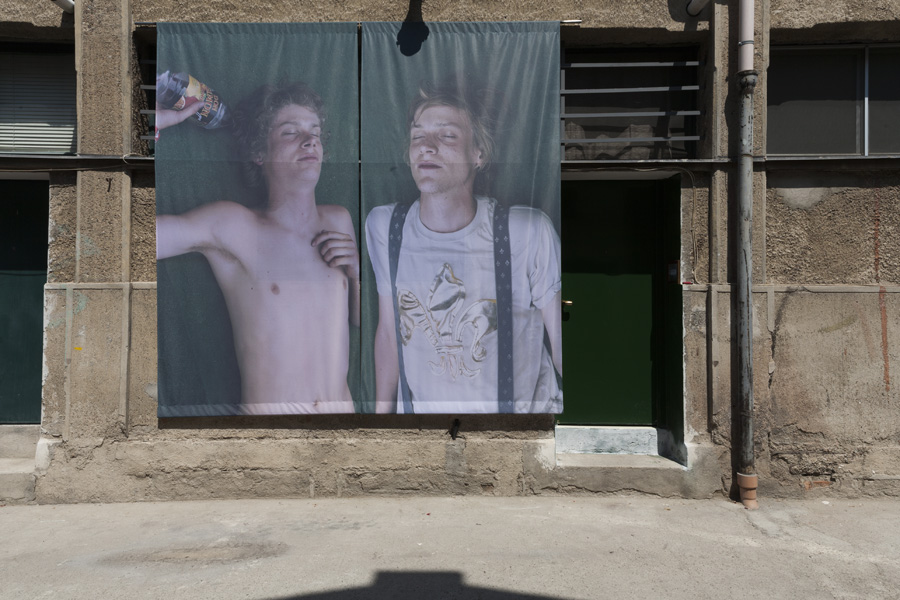
Ti cerco transforms two large photographic portraits of sleeping adolescents into luminous, shifting presences, inhabiting a liminal threshold between visibility and absence, interior and exterior, life and memory. Printed on synthetic fabric and installed in the grand windows of the neoclassical Palazzo Santa Margherita in Modena, Italy, the images subtly change with the light throughout the day. Emerging from Scozzaro’s broader photographic exploration of youth culture and shared intimacy, the work introduces a more contemplative and emotional dimension, where light, time, and space converge into a quiet meditation on loss and longing.
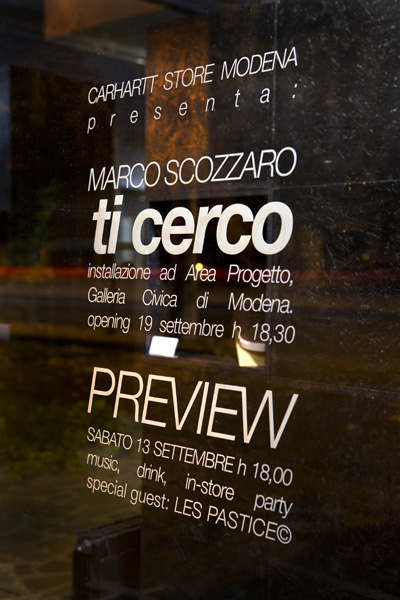
TI CERCO PREVIEW, 2008
Ecosolvent print on PVC, 2 x 2 m.

TI CERCO, 2009
Ecosolvent prints on polyester, 175 x 287 cm each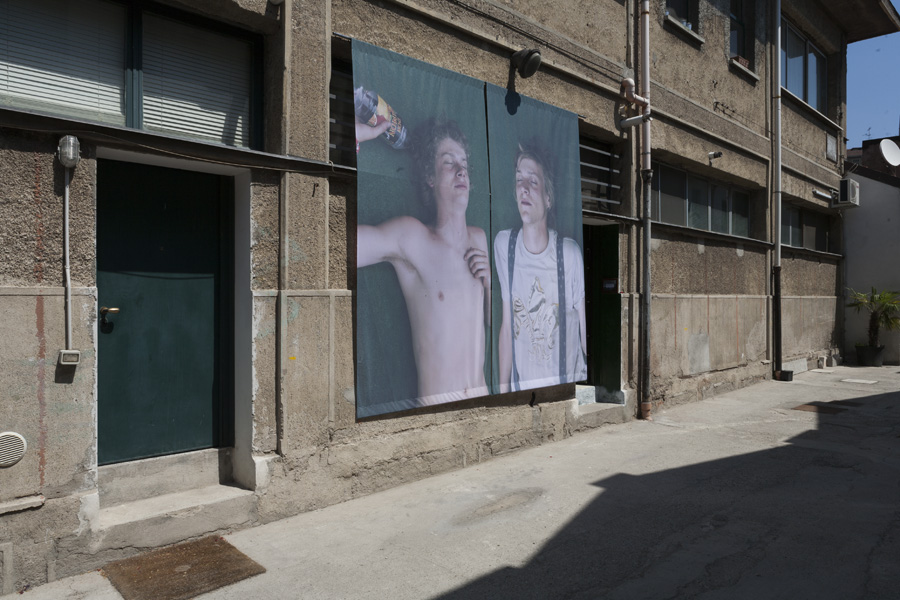
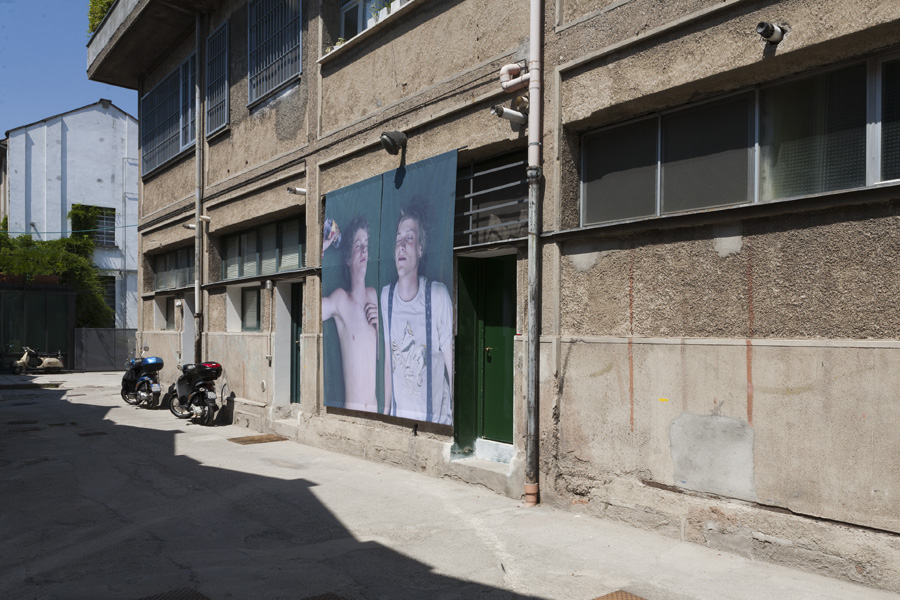

Installation at Scozzaro’s studio in Milan, 2010